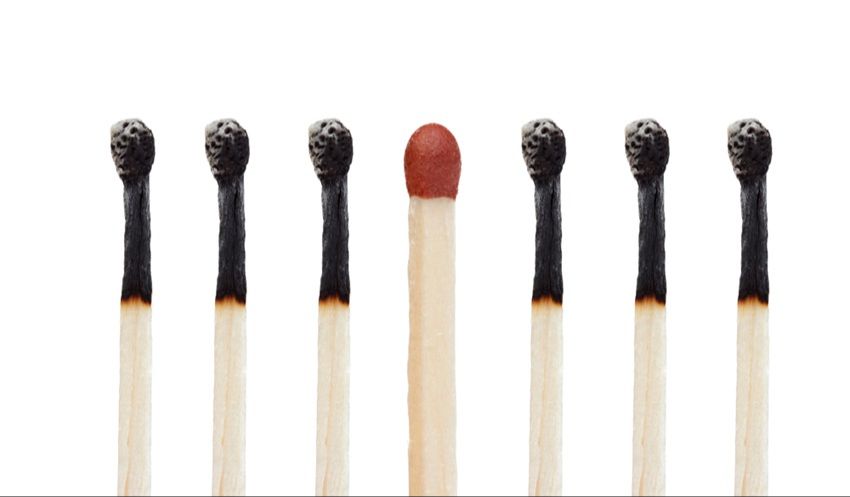
You've probably heard a relative or acquaintance tell how a clairvoyant predicted an event or how a healer stopped pain at a distance. There's something fascinating about these fantastic stories. Wouldn't we all like to live in a magical world? However, all this can be debunked with a simple phrase: "Okay, but what about those for whom it didn't work?"
This is what we call survivor bias. Our brain retains what reinforces its ideas, while omitting a significant proportion of the silent evidence. A lottery advertisement in France used the slogan that 100% of winners had played...
Technically, this is true, but how many thousands, or even millions, of people will have bought a ticket without winning a penny? All the stories of these great personalities who managed to emerge from a difficult environment to prosper in their field are great, but they obscure all those who didn't meet the right person, didn't find themselves in the ideal opportunities, etc. The survivor bias is therefore a very powerful tool.
Survivor bias is therefore a mechanism we need to guard against more often, because it's part of everyday life, whether in advertising, charlatans or even political discourse.
We are inundated daily with written messages on transport vehicles, walls, our devices and sometimes on ourselves. We are swimming in a sea of spectacular verbal injunctions inviting us to behave or consume one way or another. Let's discover the linguistics of the words that surround us with Isabelle Morillon.
The issue of integration of migrants creates strong emotions. However, these people have uprooted themselves for a reason. What if this recognition of these difficult human stories helped to welcome them? Hence the importance of addressing these issues in addition to inviting these newcomers to participate in various extracurricular activities.
When we reread the documented experience of a Cree/Eeyou tracker, a native of North America, we understand that interpreting also involves the body and symbiosis with the environment.
With the return in force of neuroscience combined with digital technologies, the intention on others seems to rise in power and the emotional manipulation finds new ways.
Are language, nation, culture and politics related? Can one change one's language to enhance one's self-worth? How has the impact of colonialism affected the cultural and linguistic identity of nations? The issue of Ukraine is still on everyone's lips, so is it also experiencing a linguistic shift in these dark hours?