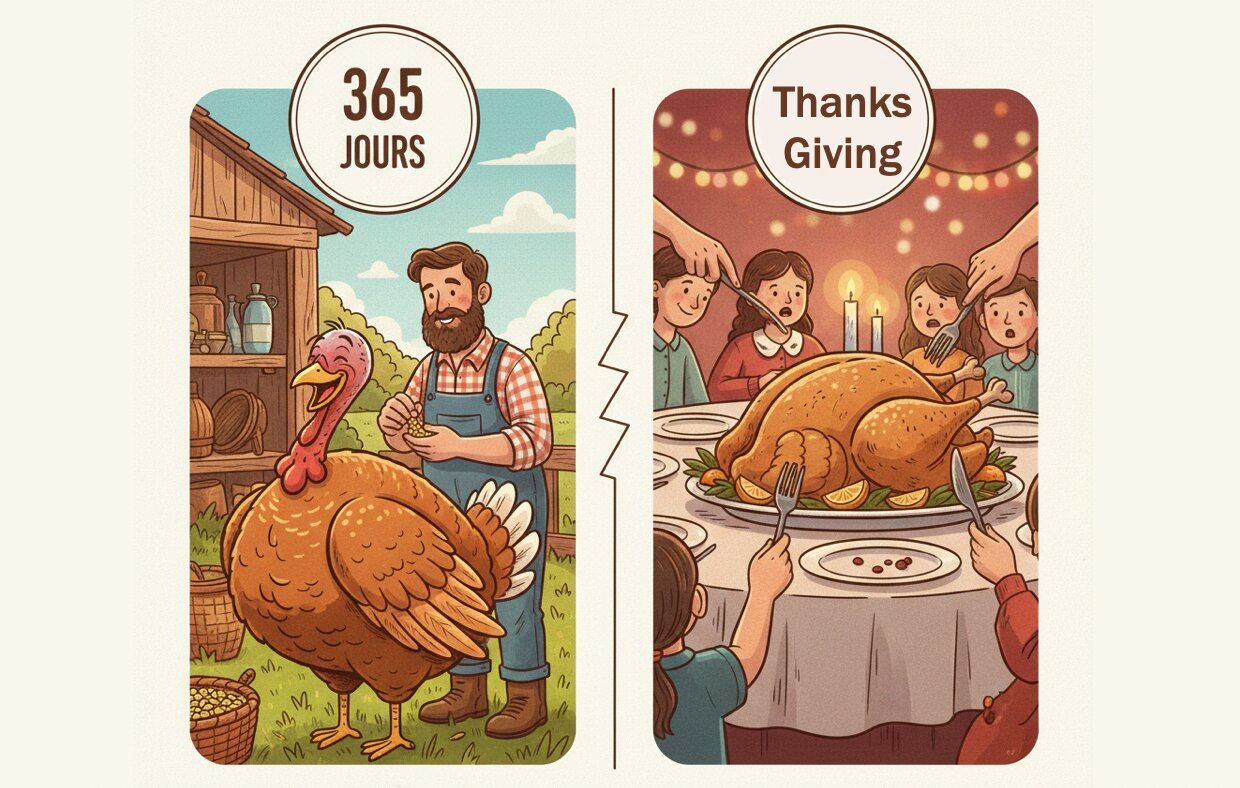
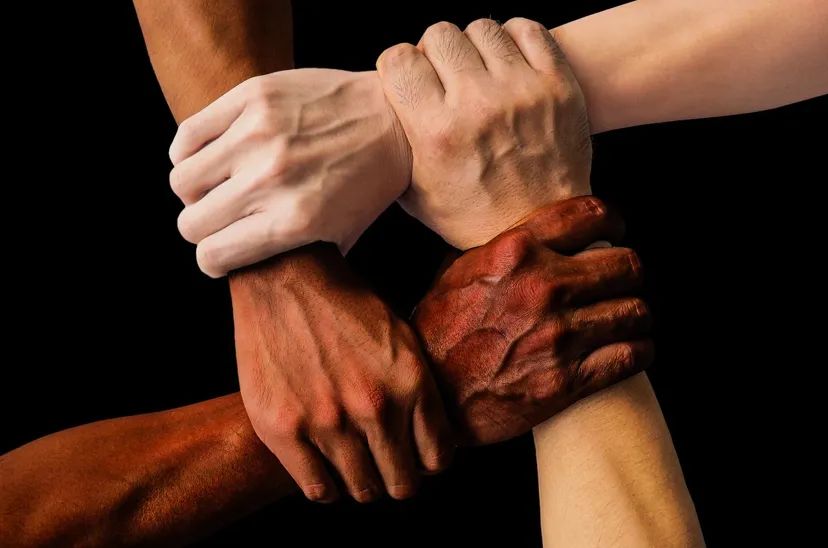
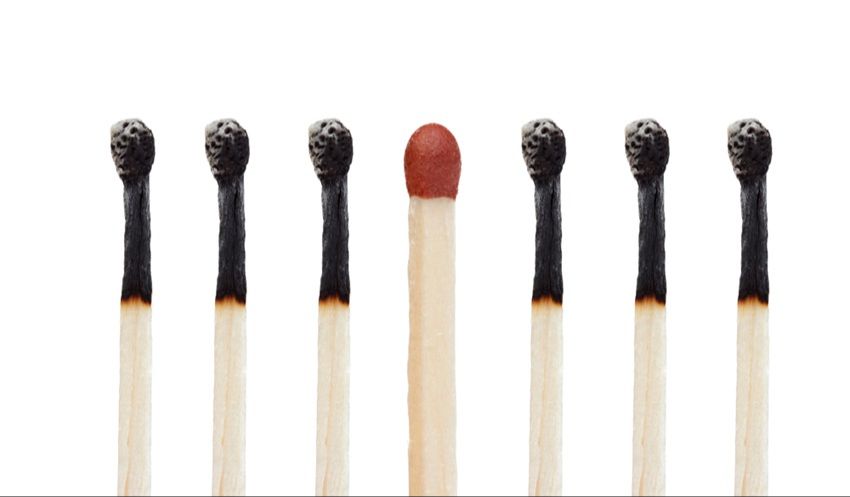
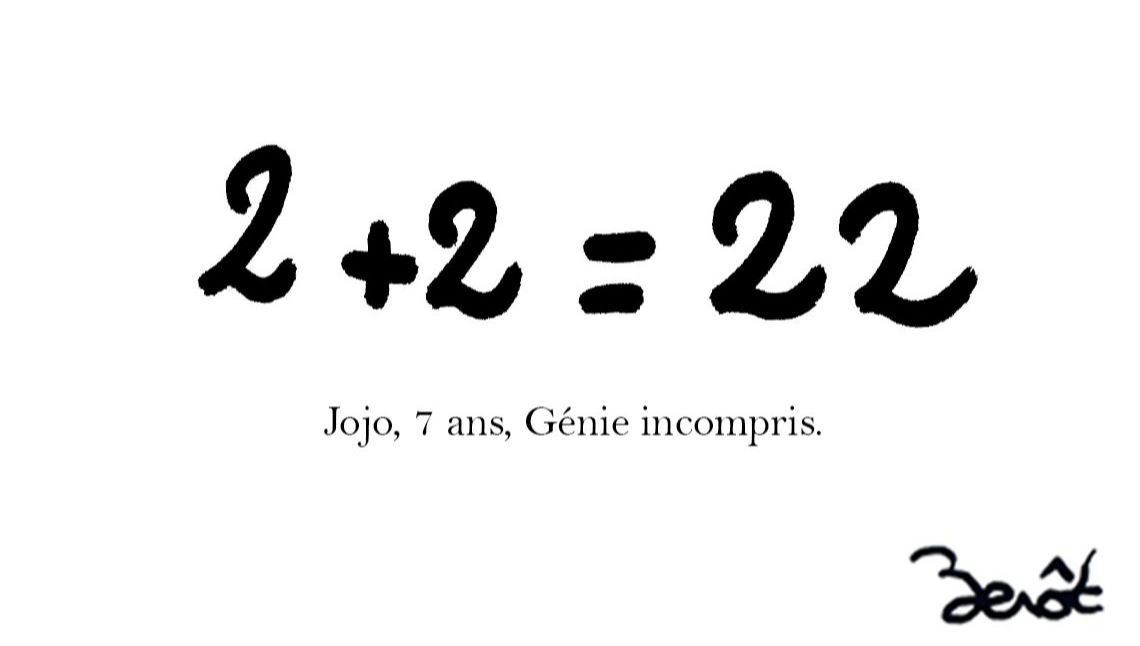
Our propensity to adopt biases, "pre-judgments", is based on a property of similarities: something similar to something else has a higher probability of sharing its characteristics. This has the effect of speeding up reasoning without having to analyze and observe a large set of parameters that are, in principle, already known. This property is obviously exploited by artificial intelligence: first it recognized cats, then cat breeds, then cat behaviors... A.I. now knows how to recognize much more, accompanied by biases stemming from our observed behaviors and, fortunately, safeguards.
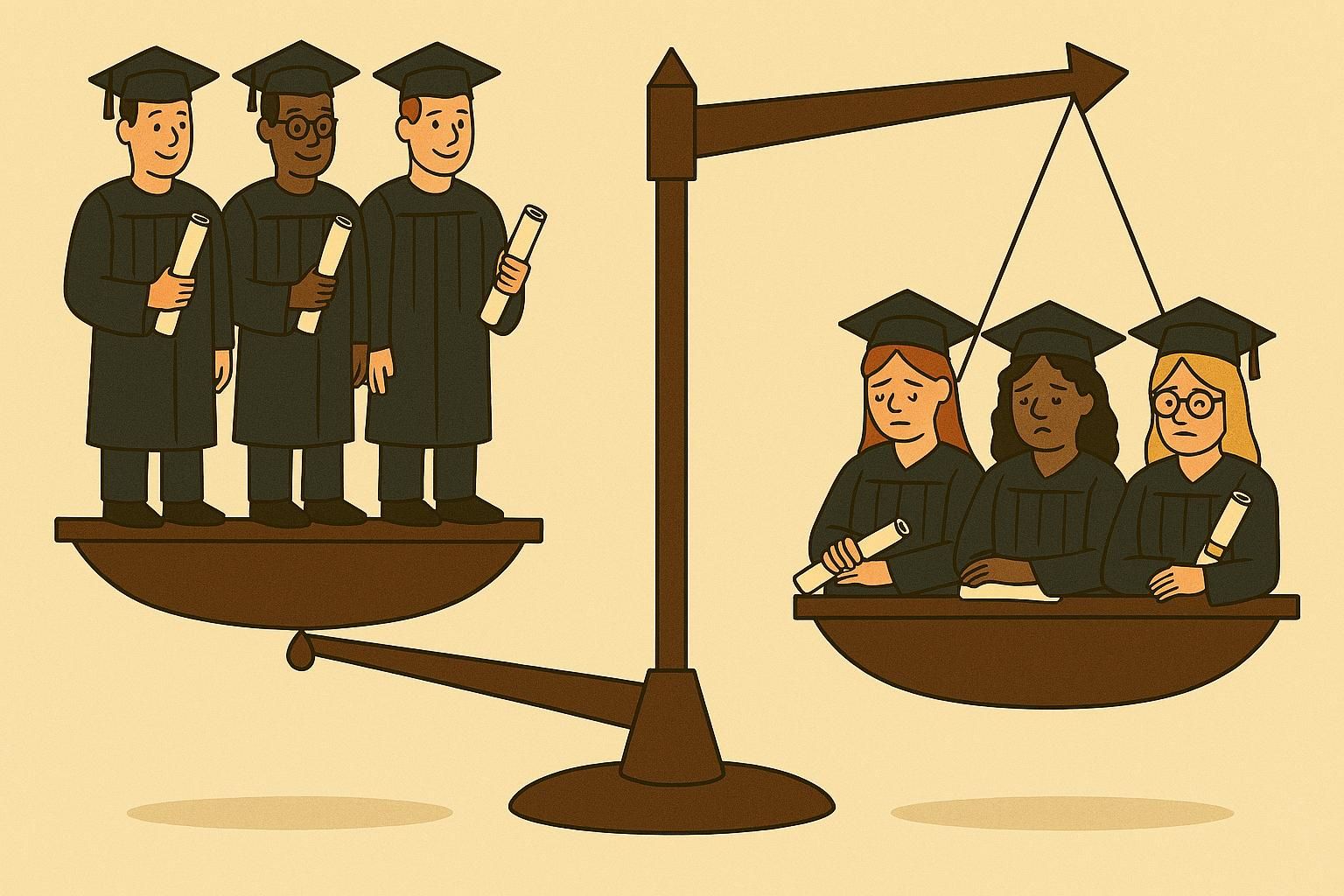
In this way, biases serve as shortcuts or conclusions that avoid the need to re-activate judgment, an operation that is more costly in terms of time and resources. But sometimes inconsistencies arise and we have to confront them, which is perceived as an inconvenience, an obstacle that we naturally seek to avoid. Individuals and systems with integrity take this into account, but often have to choose between integrity to their values and the approval of the group that holds the key to their survival. In many cases, the group is chosen and the bias is adopted en masse, and electoral democracy makes no difference. A bias can become systemic.
In terms of knowledge, analysis grids can be considered as documented biases. Grids serve as the basis for organized bodies of knowledge. The same reality can be included in an "economic", "liberal political", "public health" or "sports" grid, or in a religious or philosophical grid, each time with different conclusions. There is undoubtedly a hierarchy of interpretation systems, some of which are more beneficial than others, and others more effective, depending on certain parameters such as the common good or personal power.
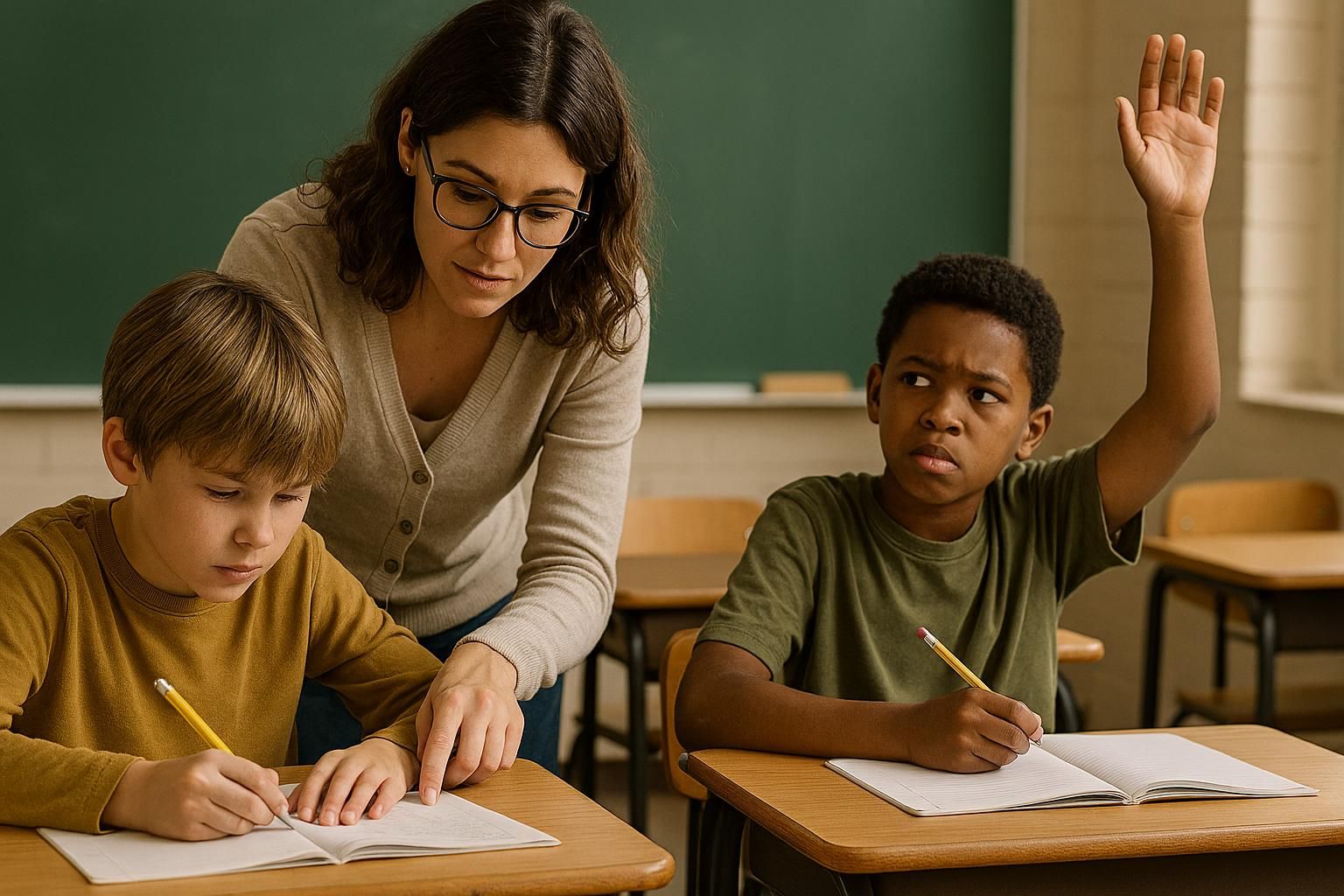
Biases are with us, they are sometimes convenient, they avoid having to question ourselves, they can also be damaging if their consequences are not observed, are hidden or minimized. Learning to manage biases, our own and those of our environment, has long been part of the mandate of public schools; the importance of the subject has grown with A.I. This edition invites us to take up the challenge of managing biases.
Denys Lamontagne - [email protected]
Illustration: ShutterStock - 2691914877