A phenomenon amplified in the age of social networks
Among basic human needs, all neuroscientists and psychologists will agree: the need for recognition and love from others is essential. It's one of the vestiges of our distant Homo Sapiens past. Indeed, being excluded from a group in prehistoric times almost certainly meant death. So we've evolved to make sure we're appreciated by others. When this doesn't happen, it can be as damaging to our health as smoking or obesity.
Some people, in fact, have gone into professions to gain recognition as comedians or journalists. So they get their regular dose of appreciation and neurotransmitters, including dopamine and oxytocin. That's why many artists are addicted to applause: it's a strong dose of recognition in their brain. Social networks have understood this, and have used the same techniques used by the tobacco industry to create an addiction to the famous "likes".
But you don't need massive recognition to feel good physically and mentally. A few sincere friends are enough. To make them and be loved, there are a few tips that science itself endorses:
Be kind, smiling and personable;
Mimicry helps you feel part of the group;
Be interested in the other person by asking questions and talking;
Always be there, i.e. be in people's presence on a regular basis;
Don't be too perfect; imperfections and blunders make a person more likeable.
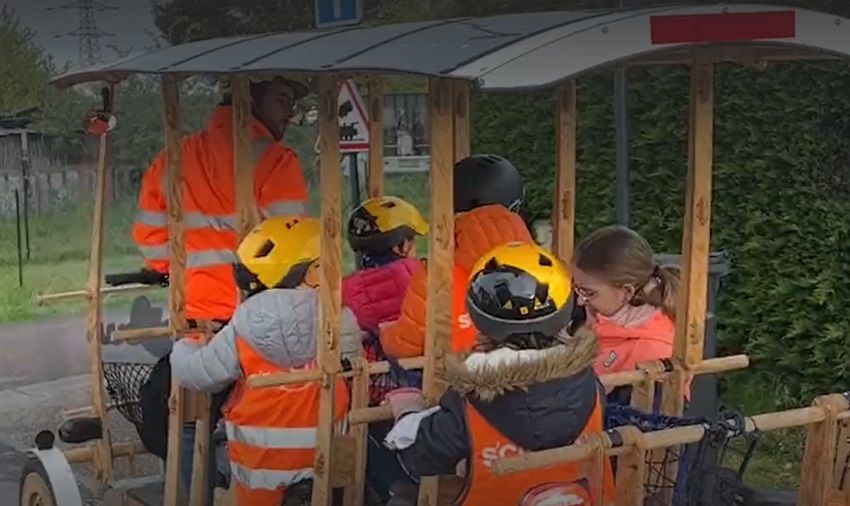
In a context where the human ecological footprint and the collapse of physical activity among children are issues, walking or cycling to school would already be a good solution. However, many parents refuse to let their children use active means of transport for fear of the risks involved. The solution to these fears could be the velobus.
A review of three key terms in the age of AI—alignment, grounding, and coherence—as navigational skills in a world where reference points are constantly shifting.
Museums have adopted a variety of cultural mediation techniques, including many advanced technologies. Digital technology is now an integral part of institutions. The next step will be holograms, which are already in use in some institutions. An investment that allows visitors to be completely immersed in the theme of their exhibition.
Creativity works by detours. Simply replace the phrase "what would you do if..." with "what would Leonardo da Vinci have done if..." to get answers of a very different nature. It is a similar process that leads a writer to develop his creative process through a pseudonym, or Michel Serres to produce an original thought through a multitude of characters.
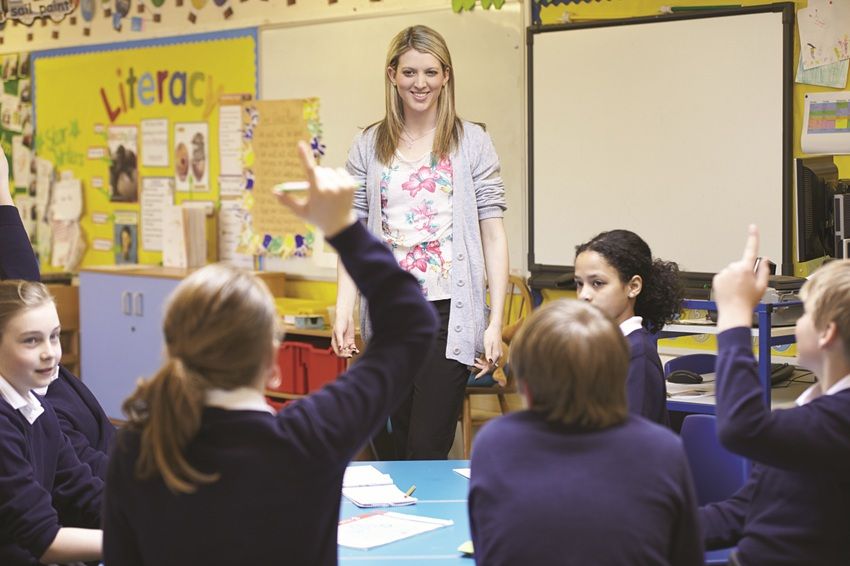
Teaching is a paradoxical art. On the one hand, all students must finish the year with a similar background. On the other hand, however, teachers are increasingly called upon to adapt to children's individual characteristics. The class portrait is a good tool for meeting both these objectives.