The solution to ignite the spark of knowledge in young Ugandans
It's not easy being both a student and a refugee. That's what happened to Joel Baraka, who tells us (in English with French subtitles) how he experienced his move from the Democratic Republic of Congo to Uganda, where he grew up and still lives. His unschooled parents were adamant that he and his brother should go to school to improve their chances in life. Yet, as he describes it, classes in refugee camps are no fun: they're overcrowded with hungry children who write down the material and learn it by heart, with no human connection.
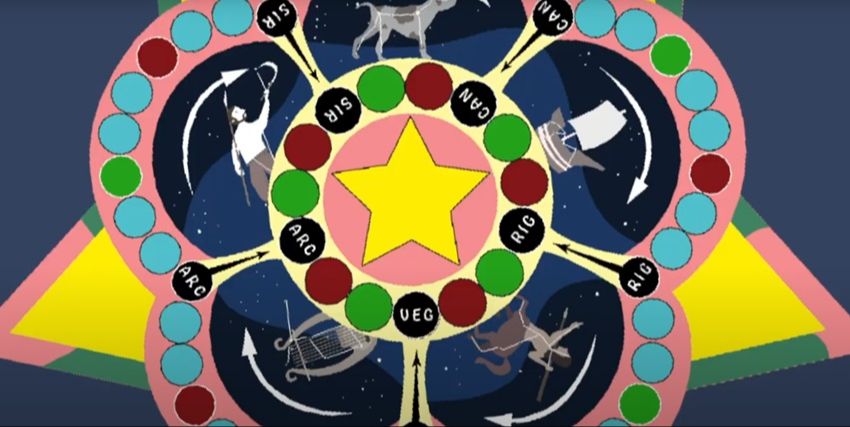
Growing up, Joel set out to find a way to help the younger generation of refugees in Uganda love school more. The solution came in the form of a board game. Together with other teachers, he designed "5 Sta-Z", a game that asks students to answer questions about the school curriculum - math, English, science and social studies. Each correct answer earns them points to advance on the star-shaped board. The aim is to be the first to reach the big yellow star in the center. But the game isn't just competitive. It includes bonus point rules if children help each other out when faced with difficult questions.
The stellar theme stems from the idea that, no matter where he or she comes from, every child has the potential to shine. In fact, during the game, players are encouraged to call each other by the name of one of the five constellations on the board. Use of the game has had beneficial effects on refugee schools in Uganda. The aim is to export the game to displaced populations elsewhere in Africa.
Many serious games address the topic of sustainable development. Yet before such solutions were proposed, innovative people had to go against the social grain and fight to improve their environment. A humorous adventure game, hosted by the National Film Board, teaches children the attitudes they need to adopt to make a difference.
The sharing economy has led to small changes in various economic sectors such as transportation, housing, etc. This approach has changed the relationship of citizens for different services, now cheaper and offered by their fellow citizens. However, who actually benefits from this new economy? The people or the companies in question? A U.S. newsgame shows how the life of Uber drivers isn't as lucrative as one might think.
All our lives have an online component. As a result, a large proportion of Internet users are at risk of being tricked by hackers. A short game invites Internet users to remember certain elements of cybersecurity using a space theme.
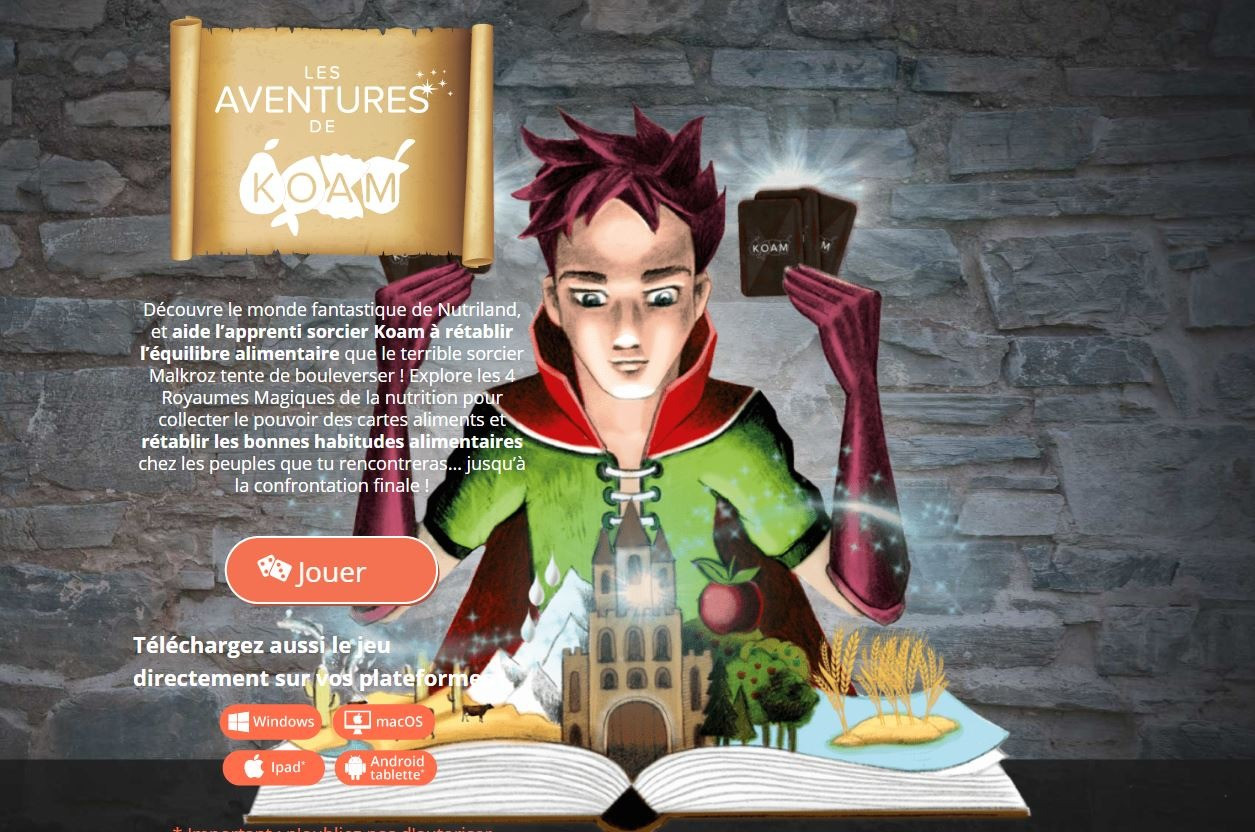
A veritable showcase for public health, Koam was developed by Nutrikeo, a consulting firm specializing in nutritional strategies. Supported by BPI France, the Nouvelle Aquitaine region and Europe, Koam is the result of two years' work by a team of leading specialists in nutrition, childhood, pedagogy, sociology, digital and behavioral theory.
Video games designed for people with disabilities are already a rare resource. An experience that allows multiple players is even rarer. Yet this latest creation from "Ludociels for All" challenges players to light up an entire maze by walking balls of light.