Publish at December 11 2024Updated December 11 2024
Can classroom management be learned through simulation?
An interesting method for future teachers prior to practicums
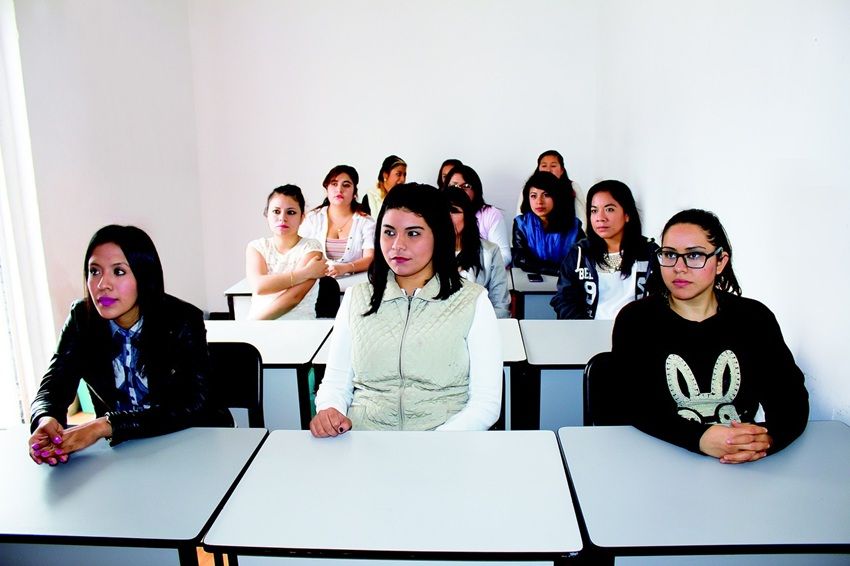
When we think of classroom management, we often think of discipline and severity. That's not entirely wrong, but it's a very small field of expertise. Above all, class management requires the ability to lead your group so that everyone works towards the goals set by the teacher. However, this does not come naturally. All future teachers must learn to put this into practice as part of their training. Of course, they can do it in the classroom, but as these two trainers and researchers from the University of Mons explain, simulation (microteaching) is a very interesting strategy.
Indeed, by asking peer students to play the role of pupils, the student can then organize classroom management strategies in a safer context. For one thing, it's easier to name the learners, since they're people you've known for a while. What's more, mistakes are less "penalizing" than in a training course, and they end up learning more and knowing what to do in a real classroom.
The researchers give the example of instructions such as: "You have a few minutes to complete this exercise. But this is vague. A few minutes can mean 2 for some and 10 for others. In this way, future teachers become more precise in their requests.
The simulation is a good example of what needs to be practiced, such as non-punitive strategies for reframing behavior. Most of them don't even know how to deal with deviations. They can learn from this and realize that they need to have plans.
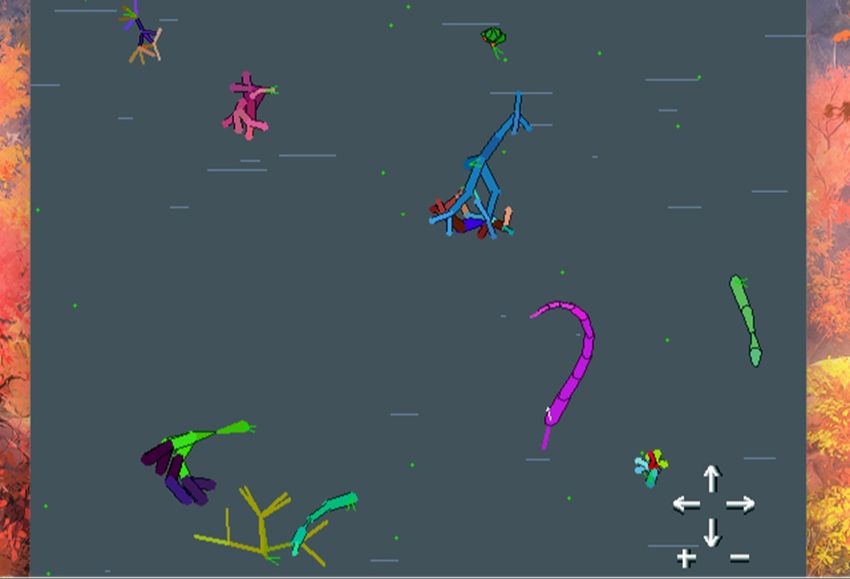
How do you talk to children about genetics and heredity? A British museum has come up with the method: design a game in which you create a line of adorable creatures with precise objectives. The game is fun, colorful and easy to learn. Even adults will succumb to the charms of the bugs and their large families.
The Englishes MOOC course was developed by an artist and is designed for anyone interested in the (English) language. It explores the history of English, its pronunciation, and its relationship to the art world.
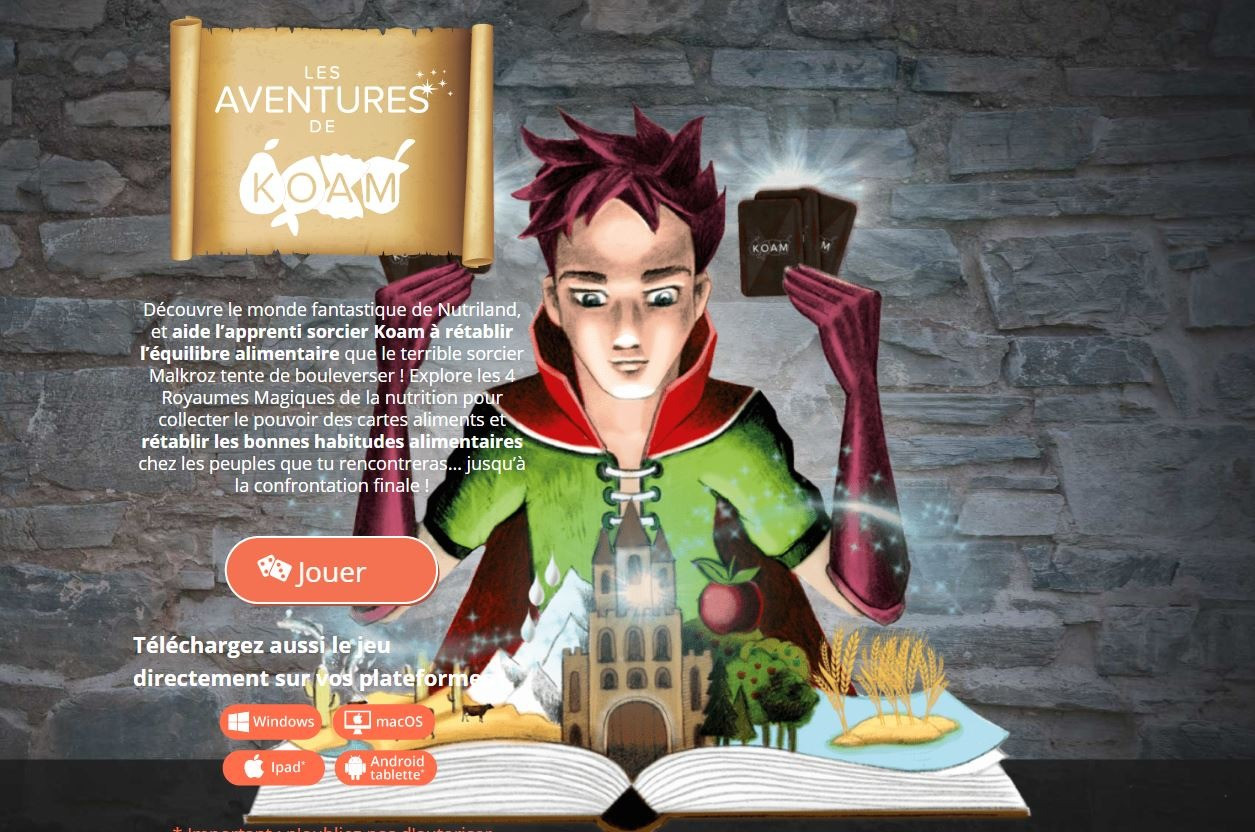
A veritable showcase for public health, Koam was developed by Nutrikeo, a consulting firm specializing in nutritional strategies. Supported by BPI France, the Nouvelle Aquitaine region and Europe, Koam is the result of two years' work by a team of leading specialists in nutrition, childhood, pedagogy, sociology, digital and behavioral theory.
All our lives have an online component. As a result, a large proportion of Internet users are at risk of being tricked by hackers. A short game invites Internet users to remember certain elements of cybersecurity using a space theme.