Publish at February 12 2025Updated February 12 2025
Cultivating children's creativity
An essential need to maintain
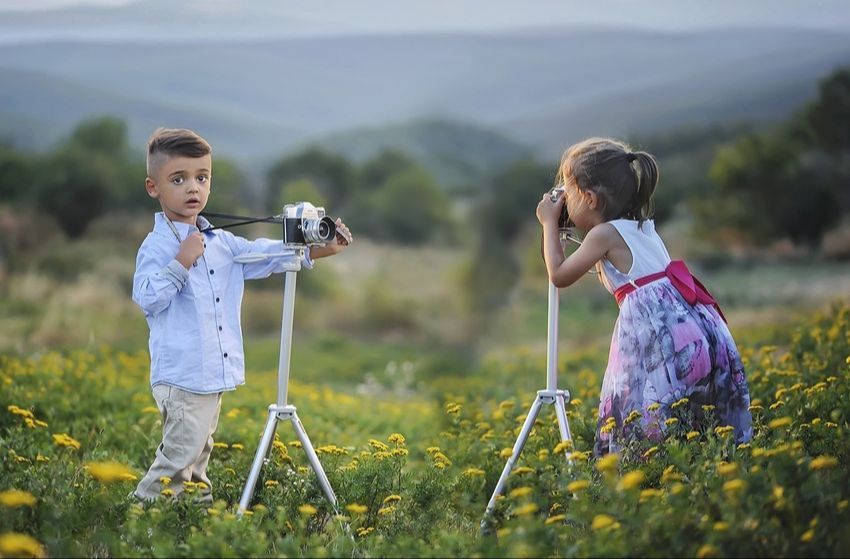
Creativity is a basic need. From their earliest years, infants explore the world and playfully fill it with sounds, gestures and more. This natural reflex is very important to maintain throughout life, as this ARTE report reminds us. Children, in particular, need to be able to exercise it as often as possible. In fact, they do it naturally.
Creativity here is not only expressed through the arts. The concept is to see a blank page, dance moves or problem-solving in a different light. An interesting exercise to do with young people is to present them with a problem and ask them various ways of solving it. Above all, this will give them meaning, motivation and pleasure. That's why it's so important for parents not to stifle their children's creativity. Some manage to get through difficult situations thanks to artistic means of expression.
Creativity is based on five factors: talent, knowledge and know-how, motivation, a personality open to diverse stimuli and resilience and, finally, an encouraging environment. Consequently, the family environment and the school play key roles in stimulating everyone's inventiveness through different approaches and by letting young people choose the path of expression they like best.
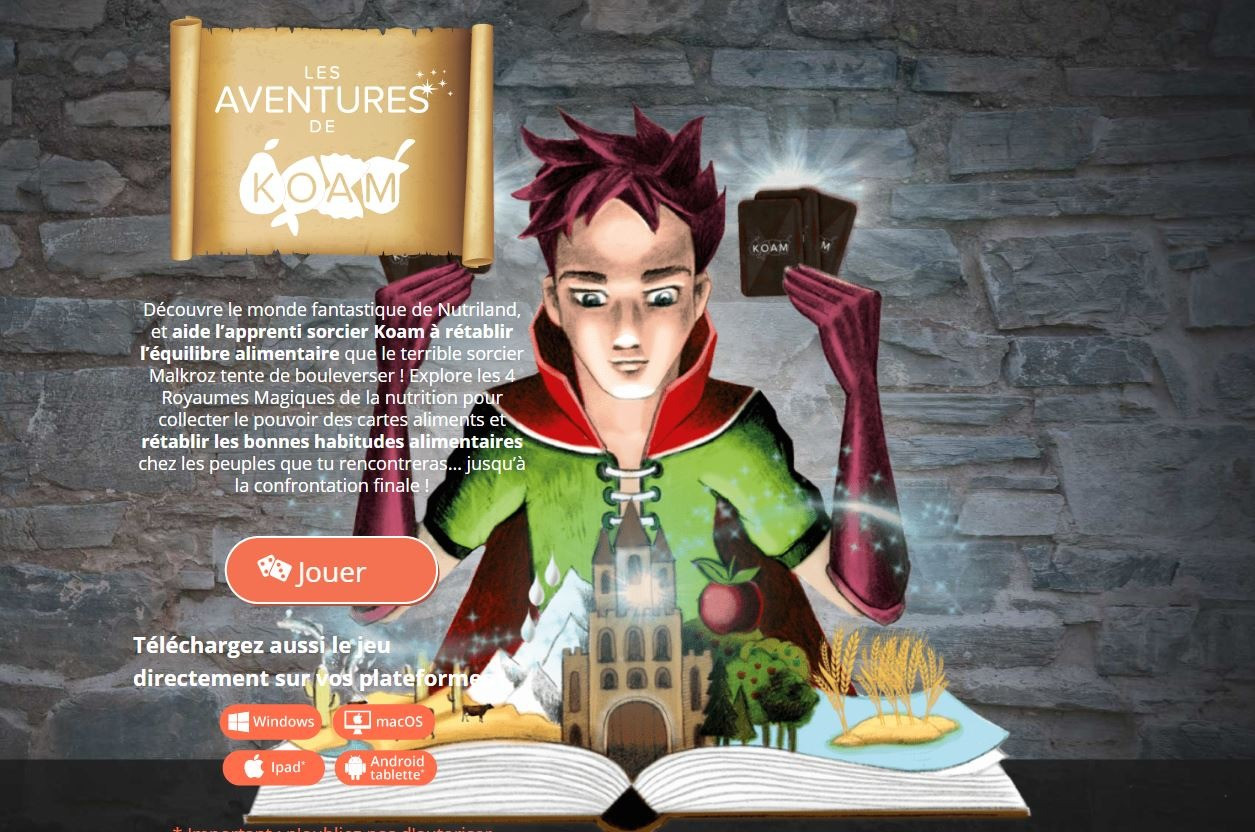
A veritable showcase for public health, Koam was developed by Nutrikeo, a consulting firm specializing in nutritional strategies. Supported by BPI France, the Nouvelle Aquitaine region and Europe, Koam is the result of two years' work by a team of leading specialists in nutrition, childhood, pedagogy, sociology, digital and behavioral theory.