The Englishes MOOC course was developed by an artist and is designed for anyone interested in the (English) language. It explores the history of English, its pronunciation, and its relationship to the art world.
Publish at February 19 2025 Updated February 19 2025


People on the autism spectrum function differently, and find it more difficult to identify the human emotions of their peers. Educators therefore try to clarify feelings and vocabulary with children on the autism spectrum. Nevertheless, this can be anxiety-provoking for the youngster, who finds himself with an adult he knows little about. In Nancy, at the University of Lorraine, researchers wanted to work on the use of robots to help transmit this knowledge.
Indeed, machines with artificial intelligence are far more interesting for children on the autism spectrum, as there is no notion of unpredictability. The machine will always act in the same way, both in its gestures and its "emotions". As this report shows, three automata are used.
The results obtained so far are very positive, showing a better understanding of the elements with the robots, as well as a greater transposition of what has been learned into the everyday lives of the children and teenagers using them. The next step will be to add stronger artificial intelligence to adapt even better to the specificities of each individual and give the robots more feedback so that they react to what's going on.
Running time: 8min38
Image: Alexandra_Koch from Pixabay
You might also like:
The Englishes MOOC course was developed by an artist and is designed for anyone interested in the (English) language. It explores the history of English, its pronunciation, and its relationship to the art world.
Elude: a serious game for understanding depression
An original approach to depression. The game's metaphor is well conceived, a little dark and informative about a problem that affects millions of people.
Newscraft: the game that puts you in the shoes of a reporter
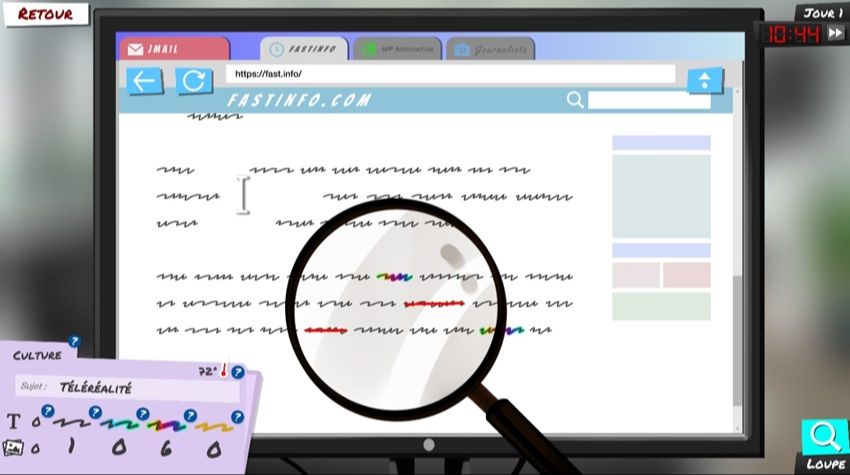
A serious game that explains and brings to life the notion of news selection and the editorial line of different types of media.
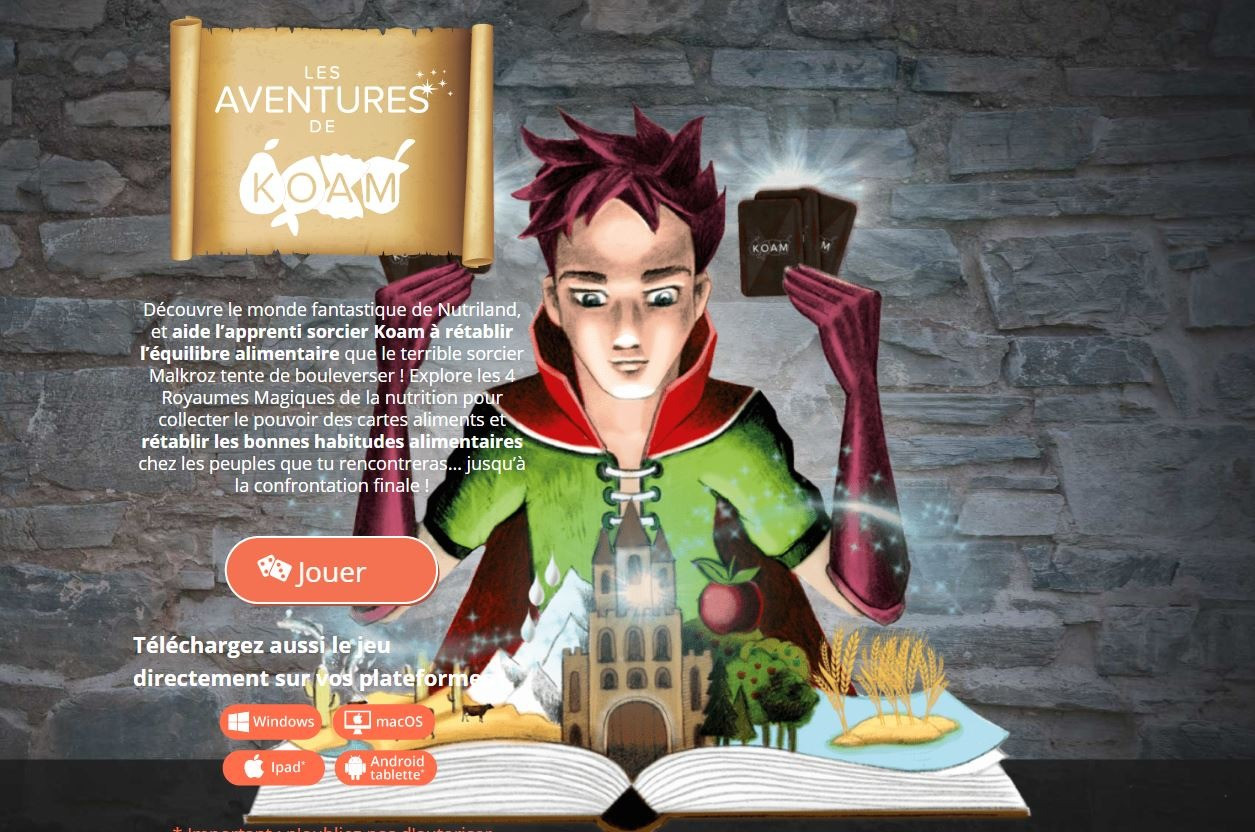
Koam, playing with balanced nutrition
A veritable showcase for public health, Koam was developed by Nutrikeo, a consulting firm specializing in nutritional strategies. Supported by BPI France, the Nouvelle Aquitaine region and Europe, Koam is the result of two years' work by a team of leading specialists in nutrition, childhood, pedagogy, sociology, digital and behavioral theory.
The sharing economy has led to small changes in various economic sectors such as transportation, housing, etc. This approach has changed the relationship of citizens for different services, now cheaper and offered by their fellow citizens. However, who actually benefits from this new economy? The people or the companies in question? A U.S. newsgame shows how the life of Uber drivers isn't as lucrative as one might think.