Learn the mechanisms of misinformation with Bad News
Understand the strategies of online disinformation through an interactive experience that puts you in the shoes of a fake news propagator.
Publish at April 16 2025 Updated April 16 2025


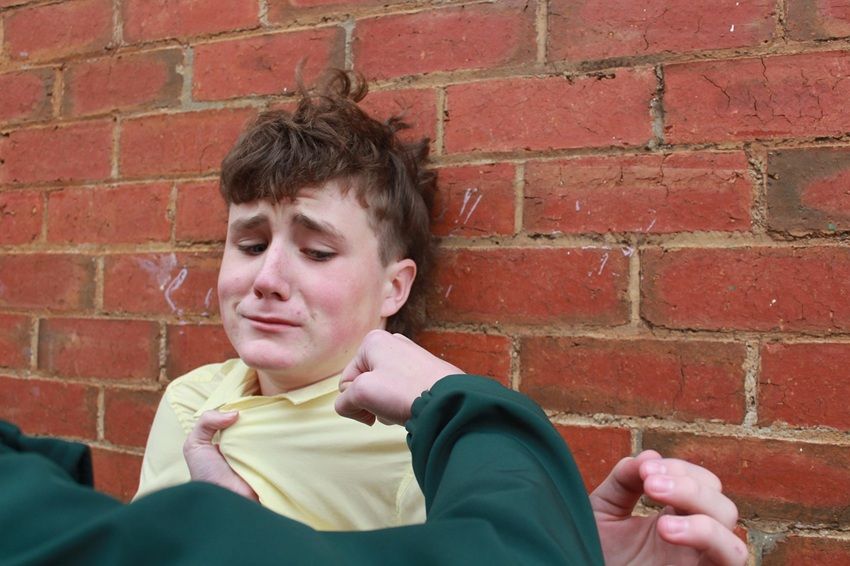
The issue of bullying is more present than ever. Not necessarily because schools are more violent, but above all because civil society is getting to grips with the subject. Therapist Emmanuelle Piquet suggests, however, that we look at the issue from a child's rather than an adult's perspective. Of course, parents want to protect their harassed children. However, standing between them and the harassers often galvanizes the latter, leading to an omerta about school bullying.
Harassers get pleasure from having power over others, from being that constant shadow in everyday life. Remonstrances, especially with teenagers, generally have no effect, since it's out of the question to get out of this pleasure, this feeling of power. The idea, then, is to adopt the approach of changing the stalker's posture, so that the stalker falls off his or her pedestal and sees that his or her hold is almost no longer present, if not gone.
Parents and therapists need to stay by the child's side and teach him or her the possibility of changing attitude. In her opinion, students are able to detect those who are more vulnerable, who then become targets.
Whatever the disparities, those who show signs of weakness or who society will label as weak (e.g. obese children) will be at risk. The idea is not only to give them confidence, but also to be able to respond forcefully to taunts without escalating the situation or getting into fights. The method involves adapting to the realities of each bullied child, and offering tailor-made support.
Running time: 29 minutes
Image: _mallgoth_ from Pixabay
You might also like:
Learn the mechanisms of misinformation with Bad News
Understand the strategies of online disinformation through an interactive experience that puts you in the shoes of a fake news propagator.
The Englishes MOOC course was developed by an artist and is designed for anyone interested in the (English) language. It explores the history of English, its pronunciation, and its relationship to the art world.
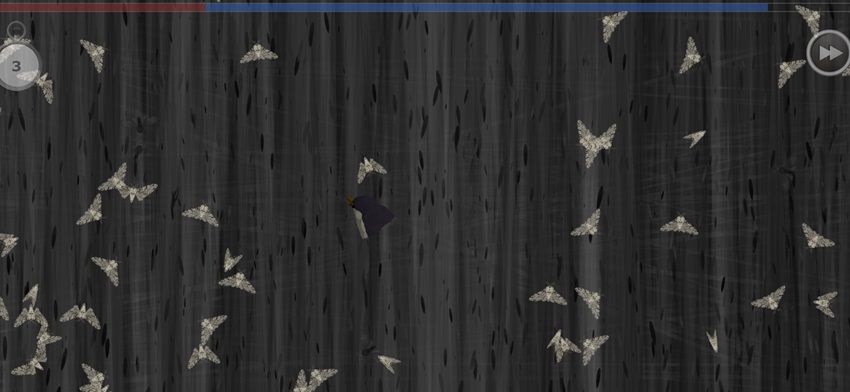
"Phalenes! understanding natural selection through play
A serious game designed to demonstrate natural selection and its effects on a moth population.
A fun game about heredity and genetics - Welcome to Thingdom
How do you talk to children about genetics and heredity? A British museum has come up with the method: design a game in which you create a line of adorable creatures with precise objectives. The game is fun, colorful and easy to learn. Even adults will succumb to the charms of the bugs and their large families.