The teacher goes through the same feelings as the students
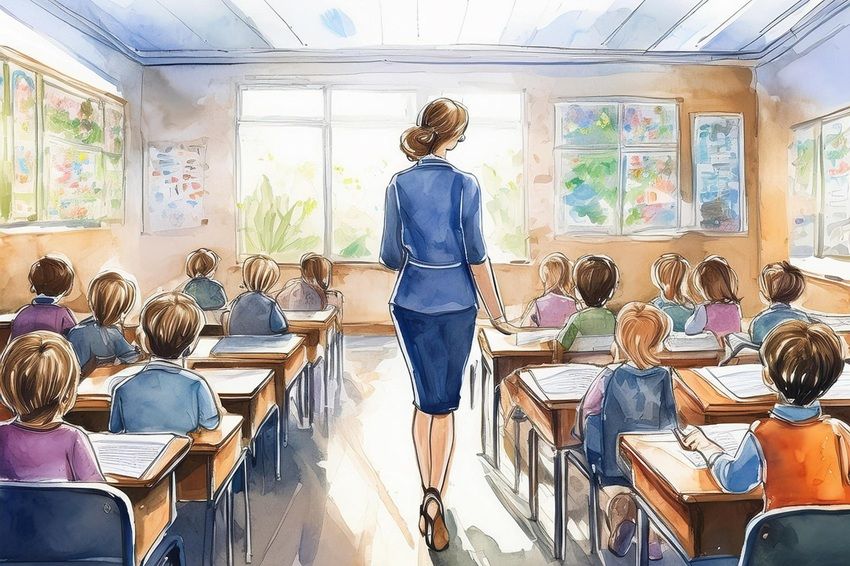
Students are as excited about the start of the new school year as their teachers. They all have the same questions: what's it going to be like? Will the class be interesting? Will I succeed in achieving all the required objectives?
A Marseille-based teacher of a SEGPA class (i.e., students with learning difficulties) explains how he establishes a bond with these learners. Initially, on the first day, he talks a little about himself. Then, he asks the pupils to draw up their Chinese portrait, i.e. to describe themselves using an animal, a film, a piece of music, etc. The idea is to create exchanges between the pupils and the teacher. The idea is to create exchanges between him and the students, to establish real connections.
As his class is made up of different literacy and other difficulties, he has to make sure he doesn't lose anyone without boring those who have mastered certain skills. It's a complex approach, but he does it through a contract of trust with his students. He sums up teaching as the idea of getting children to the point where they no longer need him.
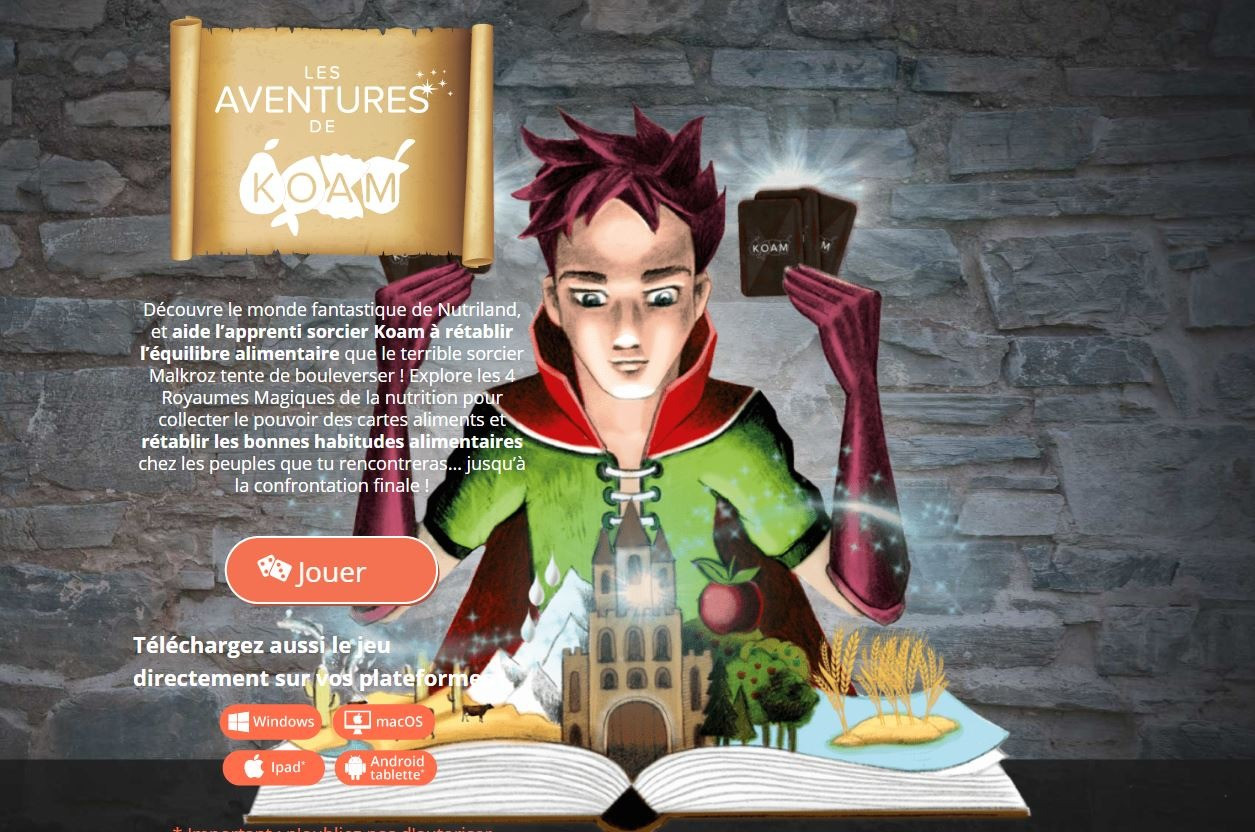
A veritable showcase for public health, Koam was developed by Nutrikeo, a consulting firm specializing in nutritional strategies. Supported by BPI France, the Nouvelle Aquitaine region and Europe, Koam is the result of two years' work by a team of leading specialists in nutrition, childhood, pedagogy, sociology, digital and behavioral theory.
Many serious games address the topic of sustainable development. Yet before such solutions were proposed, innovative people had to go against the social grain and fight to improve their environment. A humorous adventure game, hosted by the National Film Board, teaches children the attitudes they need to adopt to make a difference.
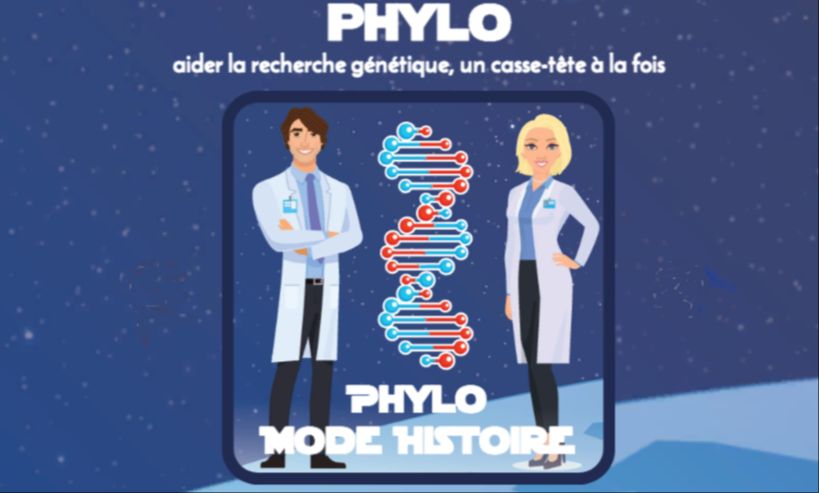
All our lives have an online component. As a result, a large proportion of Internet users are at risk of being tricked by hackers. A short game invites Internet users to remember certain elements of cybersecurity using a space theme.
Video games designed for people with disabilities are already a rare resource. An experience that allows multiple players is even rarer. Yet this latest creation from "Ludociels for All" challenges players to light up an entire maze by walking balls of light.