No cell phones at school? New computer management system? New management? New student behaviors? It's impossible to do things exactly as they were before, and yet everyone is going to rely on what's been done before, if only to compare.
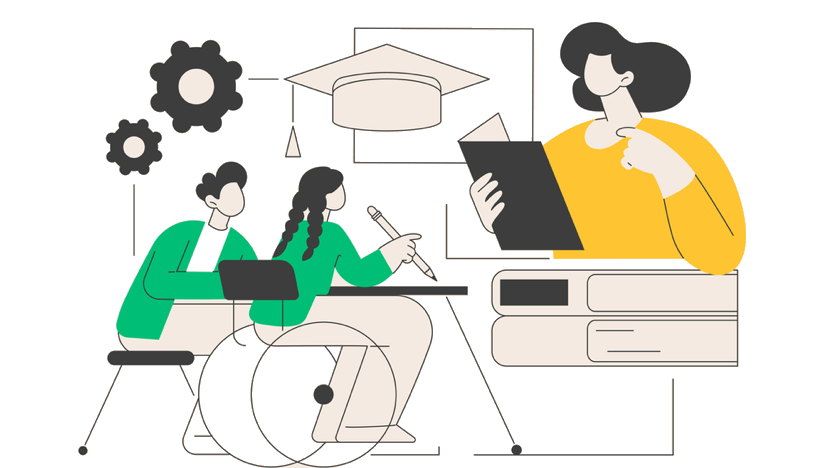
We're not starting from scratch, we have experience. Even if it's a new group, it's the same teacher. What's going to happen is a chemistry between the group, the teacher and the environment. It won't be like last year, for all sorts of reasons... Rules have changed, the program has changed, as have expectations and ways of doing things.
Of course, we'll be meeting up with colleagues, friends, former students and newcomers too, as well as prejudices towards those for whom our idea is made, and probably theirs towards us too. While certain positions change at the start of the year, a sedimentation process quickly takes place. Everyone adjusts.
We have experience, and so do the others. But what is experience? We create a situation, obtain data and try to draw a conclusion, a principle, a method and sometimes even a theory. Data derived from experience is situated. It is acquired in a context. This is the essence of teaching.
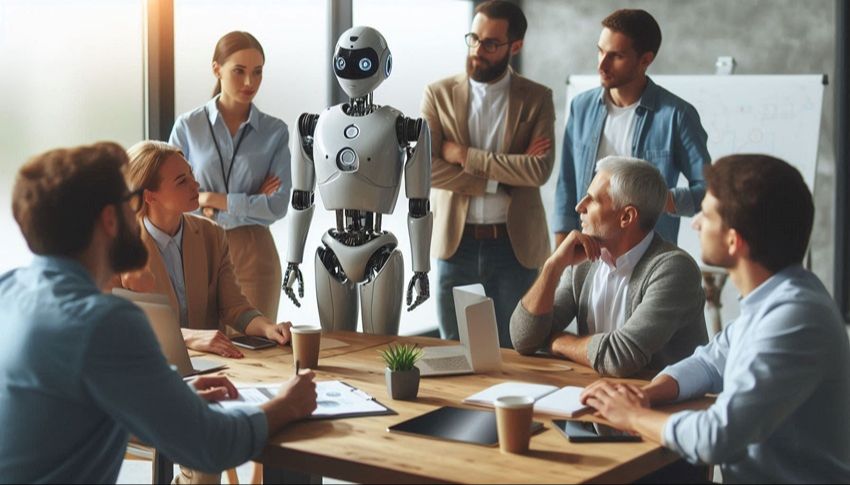
A.I. offers unparalleled access to accumulated human experience; so what's left for the teacher? Context, that which gives meaning. Experience without context, without participation, is not acquired. In context lies the value of teaching, which develops real skills that are adaptable to the unexpected and imponderable. The use of an A.I. is relevant insofar as it is provided with context. Students and teachers will certainly become context experts. It remains to be seen whether they will actually register the experience proposed by the A.I.
Enjoy your reading
Denys Lamontagne - [email protected]
Illustration: cherylt23 - Pixabay