Parents and schools fight against cell phones for teenagers
The smartphone is seen as the wonder of the world, the object that everyone must have; everything is digitized. We have to move with the times. Except that the technology giants who adopt this discourse are only looking at the issue from the point of view of their profits. Because science tends to show, on the contrary, that the overuse of the telephone in our lives has unfortunate repercussions, including for children.
This ARTE report looks at the movement of Spanish parents, particularly in the Barcelona area, who are fighting hard against cell phones for their teenagers. It features not only concerned adults who want a healthier childhood for their children, but also pediatricians who have studied the issue and proposed one of the most restrictive screen exposure plans in the world, beating out the recommendations of Quebec doctors. Of course, this doesn't always go down well with teenagers. Many are disappointed or angry at not being able to "do what their friends do", who do have one.
Adults, however, are increasingly in agreement. Spanish schools have banned cell phones, giving young people the opportunity to make real connections, play games and, above all, reduce bullying. However, some are concerned about this anti-technology message at a time when the world is going digital. For these activists, it's not a question of banning devices 100%, but of drastically reducing usage, since most of it is just passive consumption that does nothing for the brain. Some parents have even decided to set an example by leaving their machine in a room in the house, where it can only be consulted 2 or 3 times a day for a limited time.
Many serious games address the topic of sustainable development. Yet before such solutions were proposed, innovative people had to go against the social grain and fight to improve their environment. A humorous adventure game, hosted by the National Film Board, teaches children the attitudes they need to adopt to make a difference.
The Englishes MOOC course was developed by an artist and is designed for anyone interested in the (English) language. It explores the history of English, its pronunciation, and its relationship to the art world.
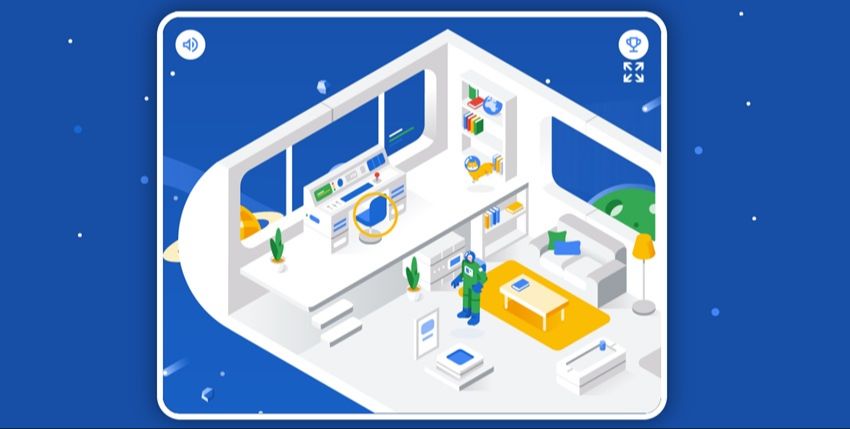
All our lives have an online component. As a result, a large proportion of Internet users are at risk of being tricked by hackers. A short game invites Internet users to remember certain elements of cybersecurity using a space theme.
An original approach to depression. The game's metaphor is well conceived, a little dark and informative about a problem that affects millions of people.