Learn the mechanisms of misinformation with Bad News
Understand the strategies of online disinformation through an interactive experience that puts you in the shoes of a fake news propagator.
Publish at January 14 2026 Updated January 14 2026


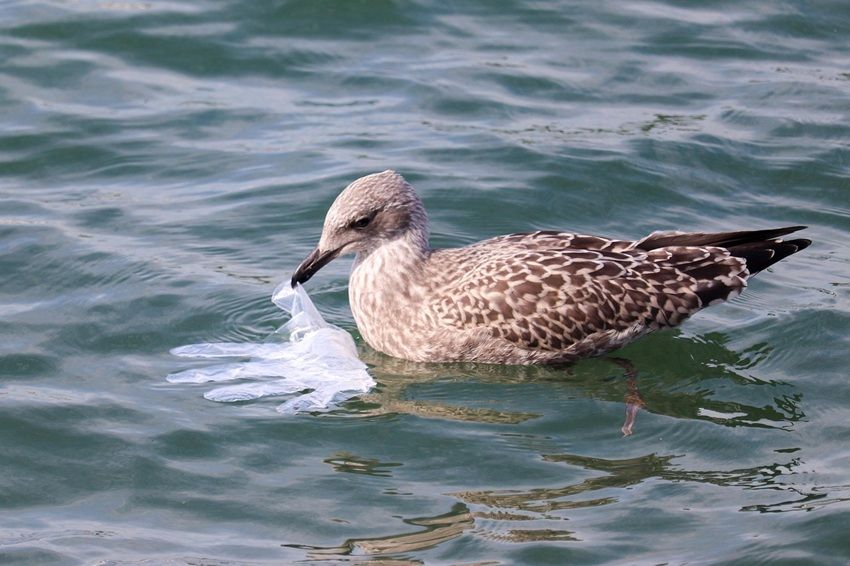
Plastic is everywhere in our lives. Let's face it: the material is easy to create and doesn't cost much. On the other hand, manufacturers don't calculate the cost of plastics after they've been used. In fact, far too many end up not in recycling centers but in the oceans. Some will degrade into microplastic, while others will retain much of their shape. After all, that was the idea behind the product: to make it last.
Today, plastic has become a major environmental problem affecting all the world's seas. Even the most remote seas, such as Antarctica, are polluted by large and small plastics.
What's more, scientists have noticed that microorganisms nest on plastics. Indeed, microscopic studies show that a significant proportion of ocean plastics are colonized by thousands of bacteria and other life forms invisible to the naked eye. They form a living filter over the waste that some call the "plastisphere": a biosphere subsisting on plastic.
The smooth appearance of most of these microorganisms facilitates the creation of this living environment, which is something to be happy about. After all, these microorganisms create a filter that allows other species to subsist. Except that they carry with them pathogens whose potential effects on marine fauna and even humans are still unknown.
For example, bathers have been contaminated by a bacterium found on microplastics that entered through wounds, among others, and died as a result. This is just the beginning of potential incidents of unknown magnitude.
Of course, bacteria are capable of breaking down plastic, and some see this as a short- to medium-term solution. However, these microorganisms cannot completely eliminate all the carbon from plastic created by fossil fuels. So, the remedy would be bioplastics, which again would not be ideal, since the sea is not the best environment for degradation. Instead, a reduction in the quantity of plastics and a ban on single-use plastics could help prevent the situation from worsening.
Running time: 52 minutes
Image: Blandine JOANNIC from Pixabay
You might also like:
Learn the mechanisms of misinformation with Bad News
Understand the strategies of online disinformation through an interactive experience that puts you in the shoes of a fake news propagator.
Koam, playing with balanced nutrition
A veritable showcase for public health, Koam was developed by Nutrikeo, a consulting firm specializing in nutritional strategies. Supported by BPI France, the Nouvelle Aquitaine region and Europe, Koam is the result of two years' work by a team of leading specialists in nutrition, childhood, pedagogy, sociology, digital and behavioral theory.
Elude: a serious game for understanding depression
An original approach to depression. The game's metaphor is well conceived, a little dark and informative about a problem that affects millions of people.
The Englishes MOOC course was developed by an artist and is designed for anyone interested in the (English) language. It explores the history of English, its pronunciation, and its relationship to the art world.