The equipment required for the Internet network has a major impact on natural environments
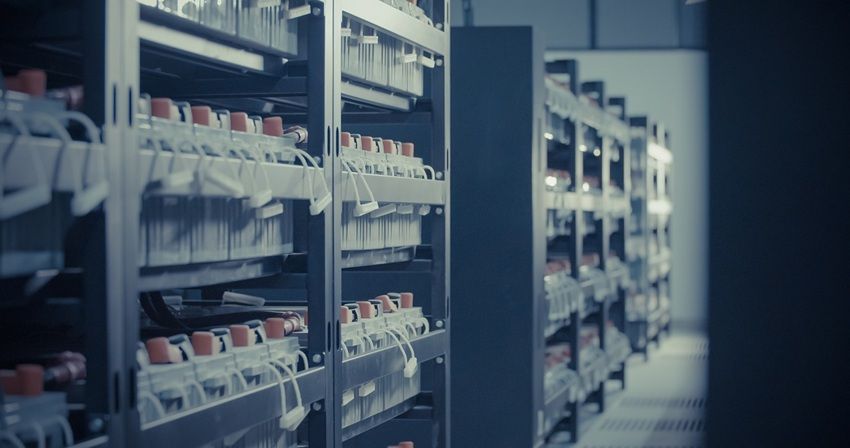
Cloud computing seems like a magical technology, used by every smartphone user to a greater or lesser extent. But data requires servers more than ever. As a result, data centers are springing up all over the planet, particularly in the southern hemisphere, where resources are more readily available.
Particularly the water needed to cool all those servers and computers. In Chile, water rights allow companies to pay for and draw major quantities of water. There are already 33 data centers in Chile, and it is predicted that this number could triple.
This inevitably leads to the drying up of water sources. Marshes are being drained completely, farmers no longer have as much access to water for their crops, and some are even being forced to leave certain regions where data centers are the only priority.
These major climatic and environmental exoduses are prompting some Chileans to take up the fight against giants like Google and Amazon, whose artificial intelligences are further increasing the need for data and, consequently, energy and water consumption. Ironically, ARTE's report ends with the response of a conversational robot who fully admits that decisive regulations are needed to safeguard drinking water worldwide.
Many serious games address the topic of sustainable development. Yet before such solutions were proposed, innovative people had to go against the social grain and fight to improve their environment. A humorous adventure game, hosted by the National Film Board, teaches children the attitudes they need to adopt to make a difference.
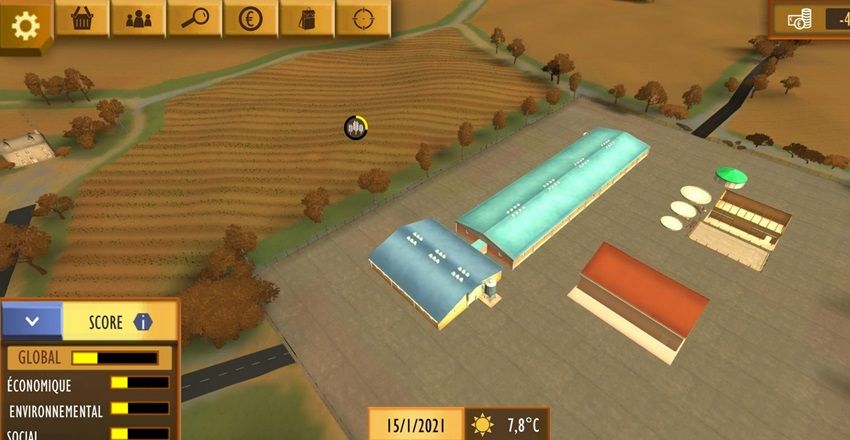
There's nothing simple about being a farmer. You have to plan your activities throughout the year, make sure you have the right machinery, maintain it and so on. All with a view to ecology. A serious French game seeks to teach agroecology.
The Englishes MOOC course was developed by an artist and is designed for anyone interested in the (English) language. It explores the history of English, its pronunciation, and its relationship to the art world.