Publish at February 04 2026Updated February 05 2026
An accident, a 3D printer... and a new mission
Optimized prostheses for everyday situations
We often don't realize how lucky we are to have all our limbs and be in good general health. All it takes is one glitch to suddenly remind us just how much modern life is designed primarily for the able-bodied. Fortunately, some people who find themselves in a situation of disability decide not to make it a curse. Instead, they seek to improve their daily lives and those of others.
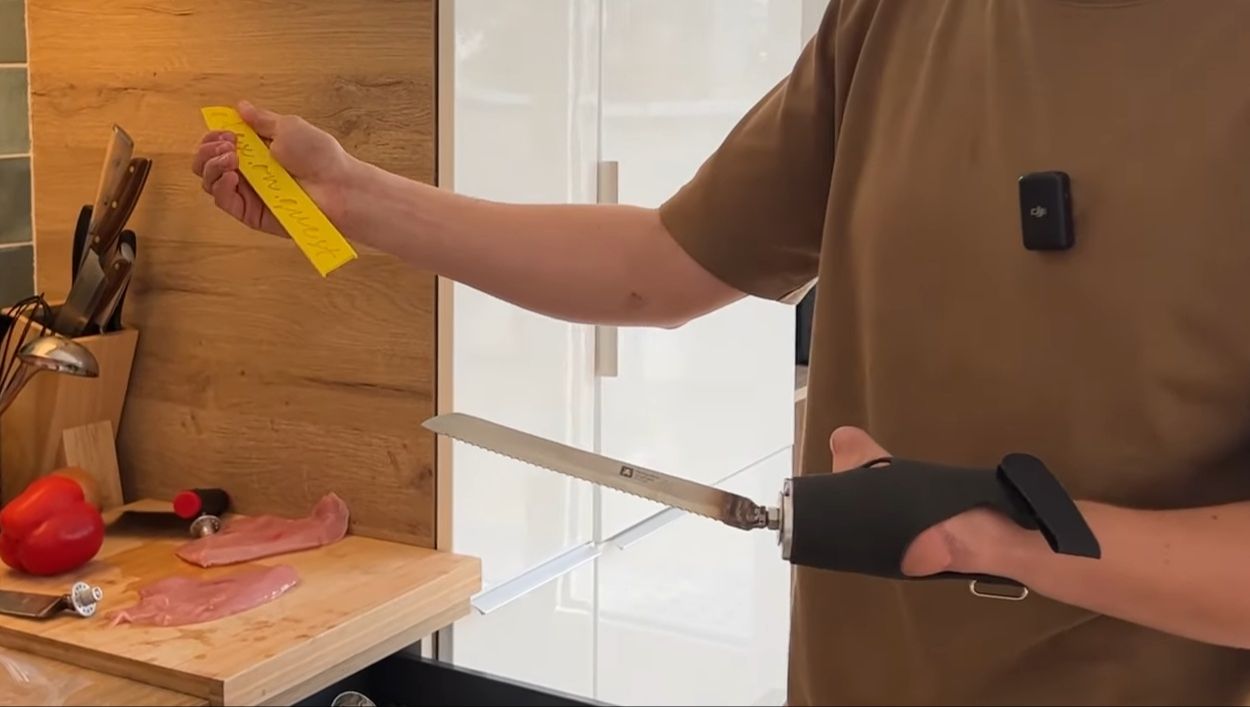
Such is the case of Alexis, featured in this Brut report, who, following a work accident in Australia, found himself with a partially amputated left hand. A complex situation that could have depressed the young man. But the opposite happened. He decided that he wanted to get back to doing things as quickly as possible, adapting everything to his new reality. So he got himself a 3D printer and started developing homemade prostheses so that he could cook, write, ride his bike and so on. His hard work was even noticed by other French compatriots in the same situation, who asked for these specific prostheses for various everyday situations.
The young man therefore shares these models to be printed or prints some for others so that, despite their amputation, they can resume or initiate activities they could only dream of before.
The sharing economy has led to small changes in various economic sectors such as transportation, housing, etc. This approach has changed the relationship of citizens for different services, now cheaper and offered by their fellow citizens. However, who actually benefits from this new economy? The people or the companies in question? A U.S. newsgame shows how the life of Uber drivers isn't as lucrative as one might think.
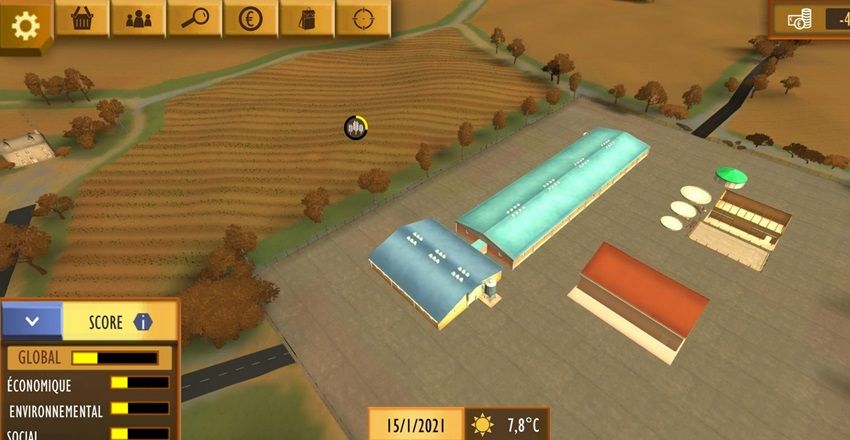
There's nothing simple about being a farmer. You have to plan your activities throughout the year, make sure you have the right machinery, maintain it and so on. All with a view to ecology. A serious French game seeks to teach agroecology.