Optimization aims for maximum yield with minimum effort. This is neither maximum output nor minimum effort, but rather a dynamic equilibrium point between the two. In operations, optimization pursues an increase in efficiency, generally translated into quantifiable, rational, economic terms, which can be counted... But is this really enough of an objective?
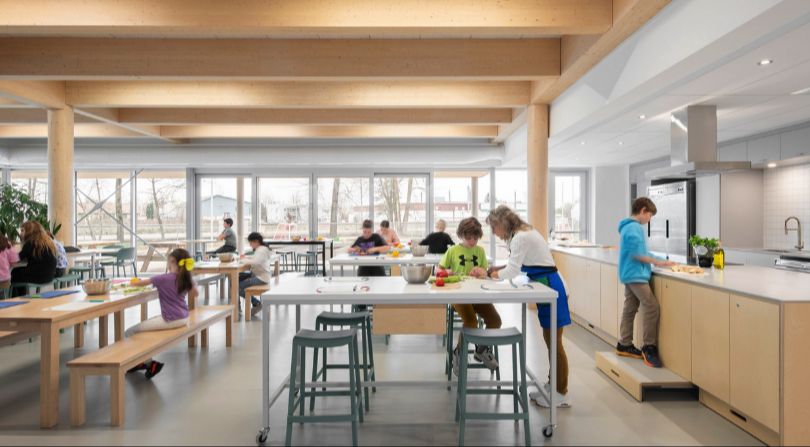
Optimization is sought even in activities such as teaching or therapy. Effective teaching or therapy brings about change more quickly than a less "effective" intervention. So they can be "optimized", in theory. But when we optimize education, is anything lost? Beyond the choice of subjects, optimization involves not only pedagogy, but also classroom organization, administration and a whole range of factors that can make life easier. Lab schools are a good example.
In the field of management, effective management translates on the balance sheet into higher profits, better staff retention, more productive and happier employees, satisfied customers, fewer returns or rejects, less pollution, and so on. The degree of optimization has everything to do with the ability to absorb fluctuations, cope with the unexpected, consider differences. The greater the degree of optimization, the less deviation is tolerated. How do you determine the right level of optimization?
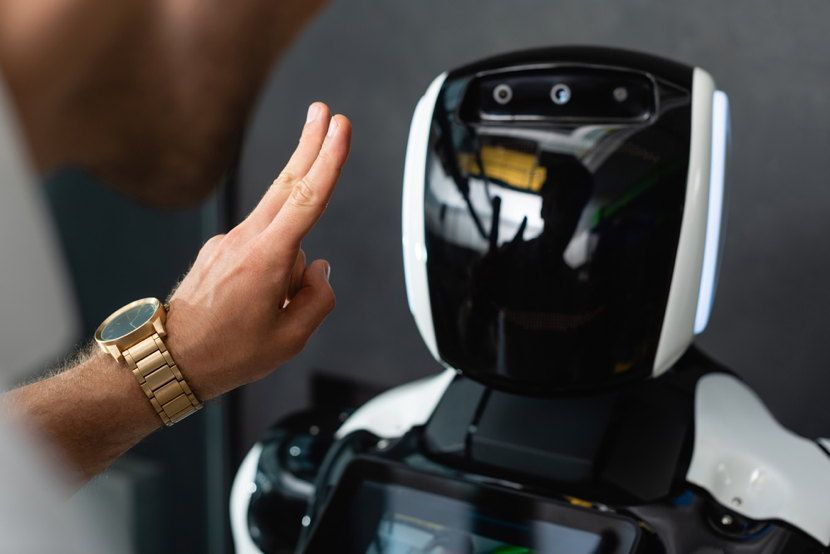
Optimization without an overview of the results is generally not optimization at all. For example, some systems optimize employees' work, but increase their frustration through the pace and depersonalization they impose, requiring another, less quantifiable level of optimization. From a productivist perspective, the ultimate optimization lies in replacing employees with robots, always placid. A sobering prospect.
Optimization of optimization appears necessary, when we come to consider the joy of living, the quality of our environment, the time needed to do things well, including conversing with the customer or student. Some call it sub-optimization, the "sub" being linked to the non-economic nature of this kind of optimization, whereas it's probably the most complete optimization, the one that includes the human beings we are and their environment, all in the long term; a living optimization.
Enjoy your reading
Denys Lamontagne
Illustration: Shutterstock - 2669886711