![]()
Self-evaluation, a positive reflective exercise
Self-assessment raises a number of questions. Is a learner in the best position to analyze his or her understanding or that of others? Yet, this metacognitive exercise has many benefits and can become one of the many assessment tools used in a course.
![]()
Can an artificial intelligence be considered an artist?
Will artificial intelligence replace us? It already does boring tasks, but it seems increasingly capable of entering the creative realm. In August 2022, an image created by an AI won a competition. This raised many questions about the place of the artist with this new technology.
![]()
The importance of female role models in science
Although many professional sectors are seeing gender parity, this is not yet the case in science, computer science and engineering. This is due to prejudices that have been proven time and time again, and above all to a lack of role models for young girls. Indeed, research shows more than ever the importance of role models in the choice of a scientific career.
![]()
Empathic and emotional communication in mammals: a socio-cognitive analysis
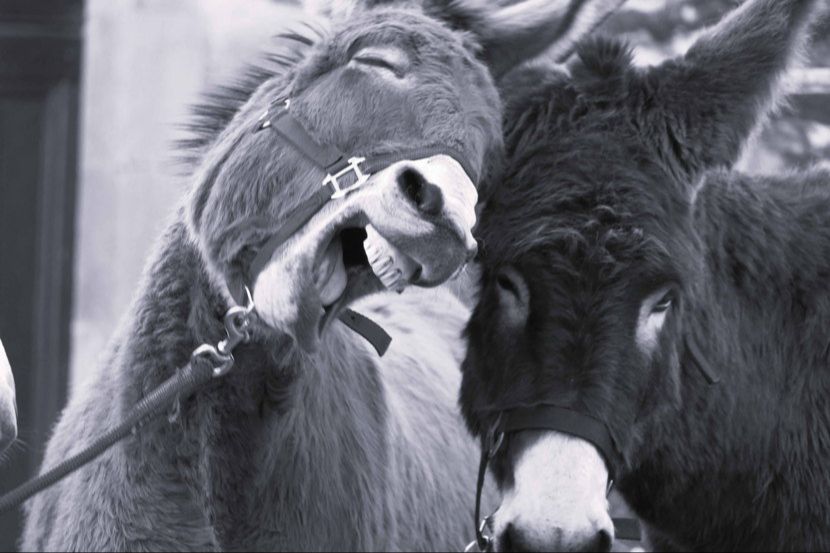
Based on Allport's model, the article looks at the ability of animals to perceive human attitudes. The literature review shows the superpowers of mammals
![]()
When will there be universally recognized teaching methods?
Abacus, a universal tool but not taught in our schools. Today, the people who prepare school programs choose segments of knowledge to be taught according to a single method in most cases. But is this reasonable in the face of the plurality of students? Wouldn't it be richer to collect the different methods and make them available to teachers as a universal dictionary of teaching?