An international agreement threatened by current political trends
In 2015, COP 21 in Paris led to a major document: the Paris Agreement. An important framework all the more so because it was ratified by the biggest polluters, including the United States and China. The objective was to keep global temperature rise below 1.5 degrees Celsius by 2050.
However, since the thunderous applause in Paris, things have changed... and not necessarily for the better. The legislative frameworks developed by countries are interesting but insufficient, and it seems clear that we will exceed 1.5 degrees within the next ten years. What's more, some governments are refusing to do their part. Talks between countries have become more complicated and explosive.
Nevertheless, the Agreement is not necessarily a failure if we go beyond 1.5 degrees. Admittedly, we won't meet the ideal scenario envisaged, but the 2015 meeting had also thought of a plan B if we didn't succeed. The idea was to keep global warming below two degrees by 2050.
This is still possible, but it will require a great deal of upstream work and major changes. Above all, public authorities in all countries will have to understand what's at stake, that it's not all lies, and that it's time to act.
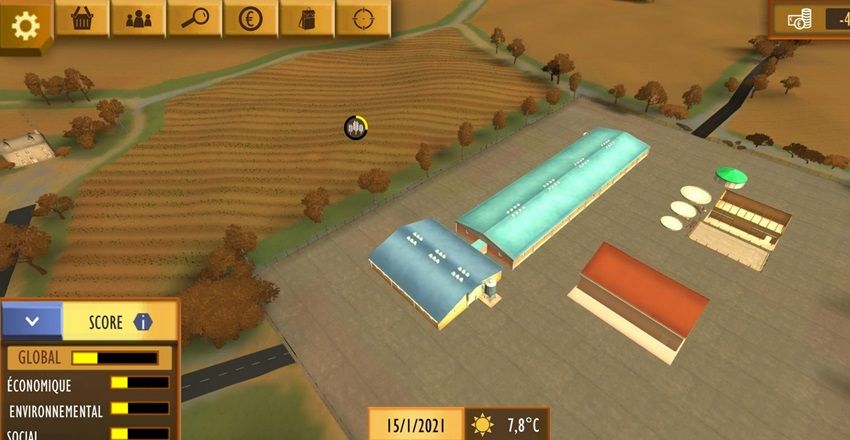
There's nothing simple about being a farmer. You have to plan your activities throughout the year, make sure you have the right machinery, maintain it and so on. All with a view to ecology. A serious French game seeks to teach agroecology.
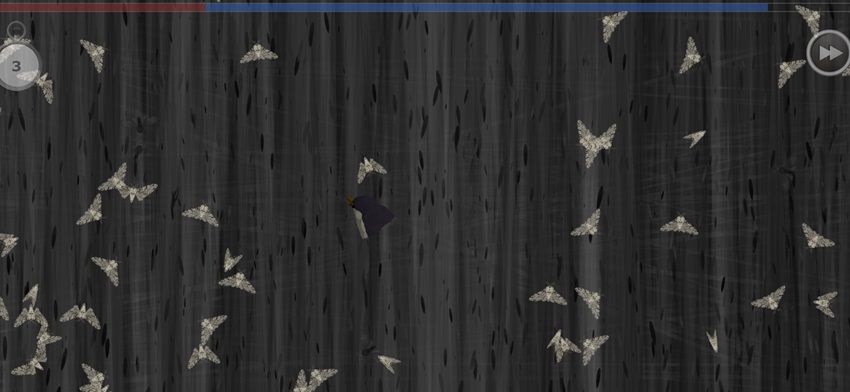
Many serious games address the topic of sustainable development. Yet before such solutions were proposed, innovative people had to go against the social grain and fight to improve their environment. A humorous adventure game, hosted by the National Film Board, teaches children the attitudes they need to adopt to make a difference.
The Englishes MOOC course was developed by an artist and is designed for anyone interested in the (English) language. It explores the history of English, its pronunciation, and its relationship to the art world.