Tests of vigilance and attention
Measuring attention remains a concern in many settings. Some work tasks are not very error tolerant. Here are a series of sample tests to measure attention in children and adults.
Publish at May 27 2026 Updated May 27 2026


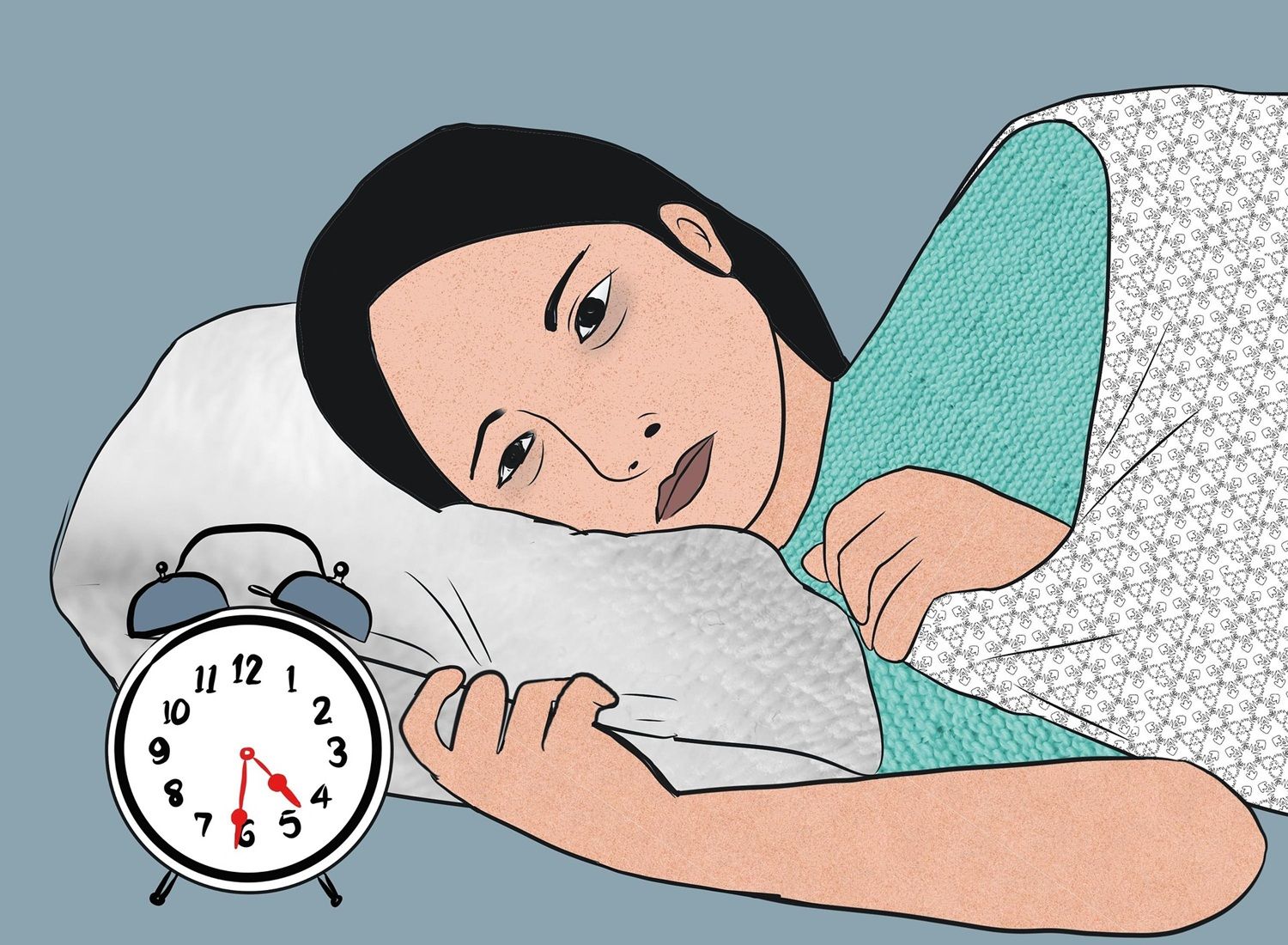
Sleep is a vital necessity. It seems obvious, yet the talk about those who sleep little and are functional sees them as the big winners of this world, while the others are "lazy". But this is not true, as this conversation with a doctor and psychiatrist reminds us.
The current problem in our society is not too much sleep, but too little. We've lost almost an hour and a half of rest compared with a few decades ago. A deficit that has deleterious effects on us; after all, some forms of torture play on sleep deprivation.
This is all the more true, for example, for teenagers, who experience a certain time lag during this period of their lives, which explains why they find it so difficult to go to bed before 11pm. The school system generally forces them to get up around 6.30 or 7 a.m., resulting in a lack of sleep, motivation and so on. What if the school system could adapt to this reality? The doctor would also like to see the disappearance of several night shifts, because in his view, apart from the emergency sectors, few really require working after dark.
All the more so as he deplores the fact that socio-economic inequalities also hit sleep hard. The poorest people in small, poorly insulated dwellings will be disturbed by noise, inadequate temperature and other phenomena, while the wealthy often benefit from calmer, more temperate environments.
The idea is to establish a sleep routine that differs little between weekdays and weekends, so as not to experience jet lag, to give priority to sport in the morning and above all to exposure to daylight, while two hours before bedtime, we avoid screens to put ourselves in the right frame of mind.
Running time: 23min52
Learn more about this resource
You might also like:
Tests of vigilance and attention
Measuring attention remains a concern in many settings. Some work tasks are not very error tolerant. Here are a series of sample tests to measure attention in children and adults.
A multiplayer game designed for people with disabilities
Video games designed for people with disabilities are already a rare resource. An experience that allows multiple players is even rarer. Yet this latest creation from "Ludociels for All" challenges players to light up an entire maze by walking balls of light.
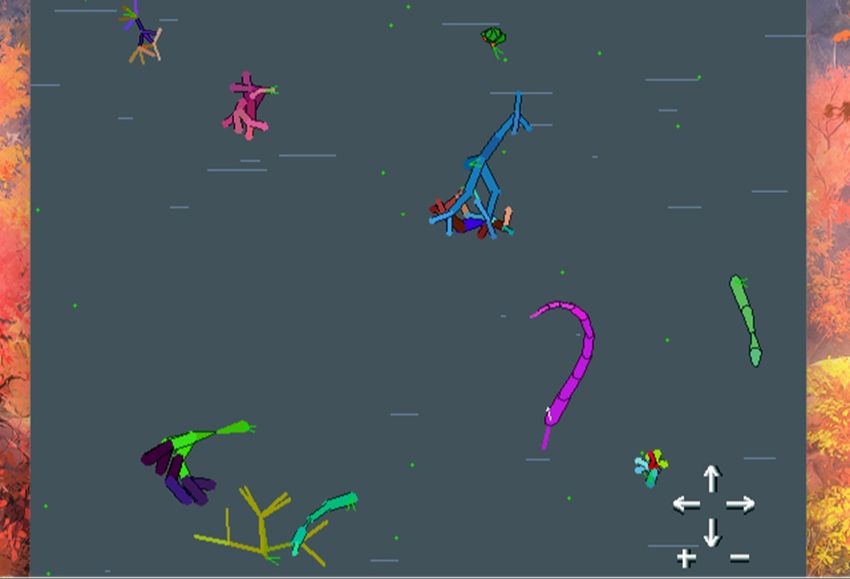
A virtual aquarium to understand Darwinian evolution
Is it possible to understand evolution through simulation? It would seem so. A very interesting resource for high school science classes.
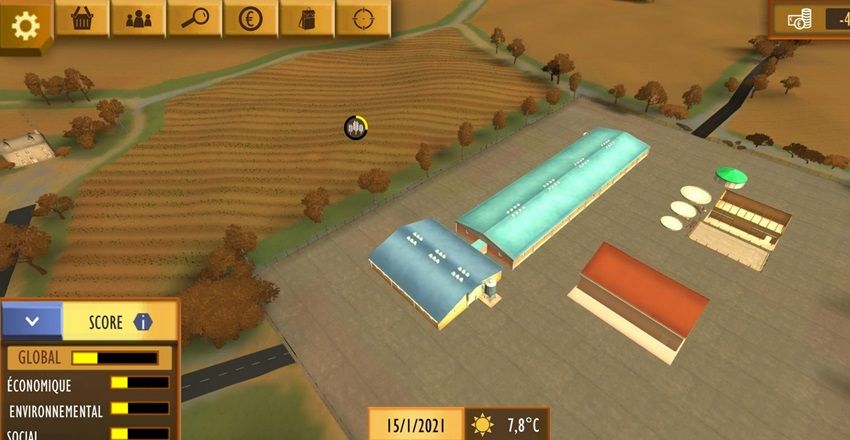
Reflecting on agroecology through play
There's nothing simple about being a farmer. You have to plan your activities throughout the year, make sure you have the right machinery, maintain it and so on. All with a view to ecology. A serious French game seeks to teach agroecology.