![]()
How N. Bohr and W. Heisenberg became exceptional scientists
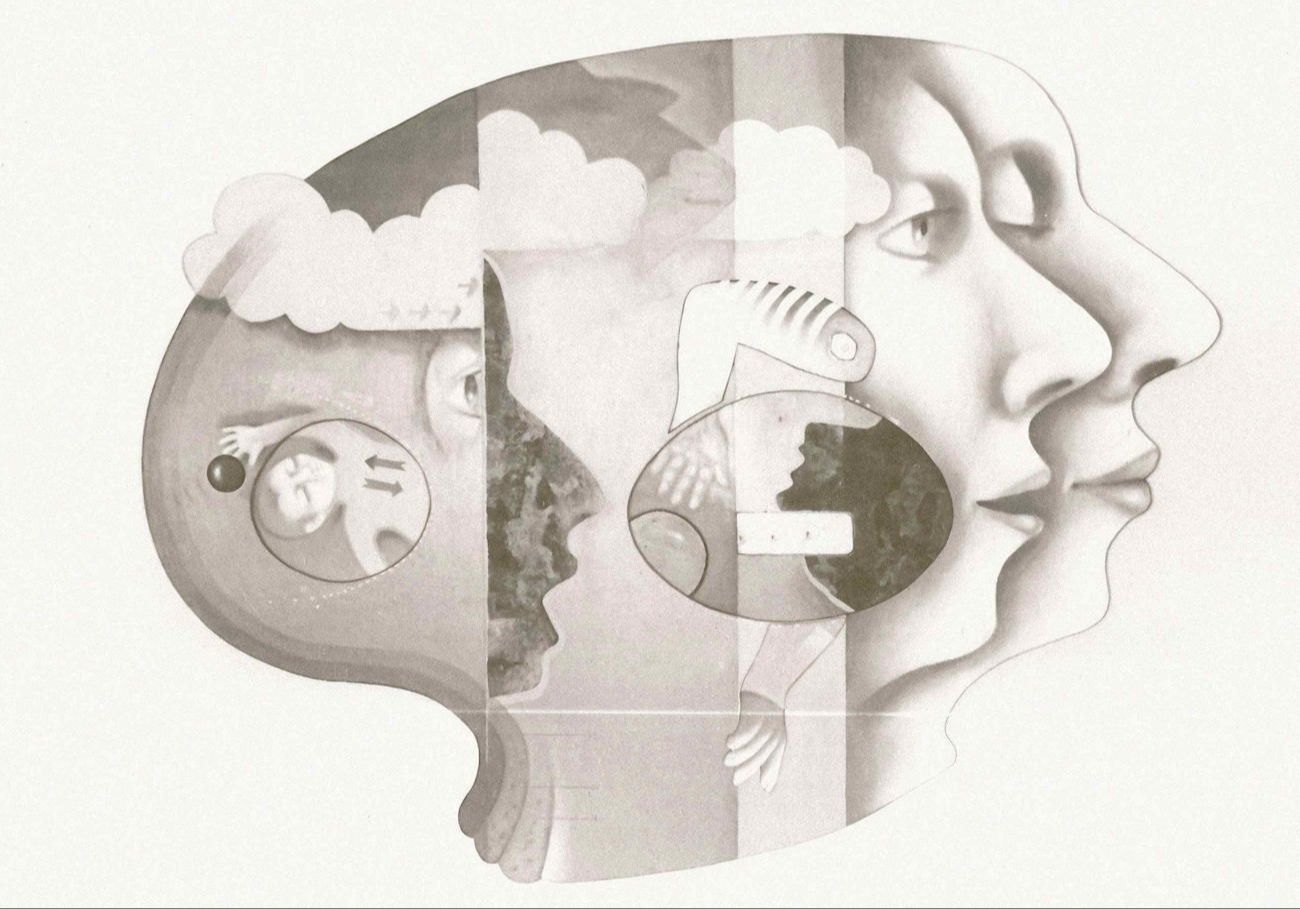
What makes gifted children become Einsteins, Bohrs, Rutherfords or Heisenberg W ? Biographies often reveal biffurcations, moments of serendipity that lead researchers to find what they weren't looking for. They show that learning styles and intellectual profiles are not homogeneous within a scientific community.
![]()
The trainer facilitator
The transformation of the teacher's role from that of knowledge holder and transmitter to that of trainer and learning facilitator. This evolution implies a redefinition of teaching methods, the teacher-learner relationship and the key competencies of teachers.
![]()
Data, Darkpost, the new ways of politics?
Digital technology is infusing our lives, including our political lives. What does the example of dark post tell us about tomorrow's citizen?
![]()
When "render" counts
The triptych of giving-receiving-giving back shifts the question of evaluation, which is often limited to a piecemeal judgment at a static point in time, and integrates it into a perspective of a continuous process that weaves its way through the social fabric.
![]()
What's new in collective intelligence? The salons of the 18th century!
The art of conversation is an indispensable skill in certain social groups from the 17th century onwards. Knowing how to speak, listen, pace, entertain, compliment, but also surprise, learn, give and receive information. What if the art of conversation was an additional asset for collective intelligence actions, or more trivially, for animating our virtual living rooms?