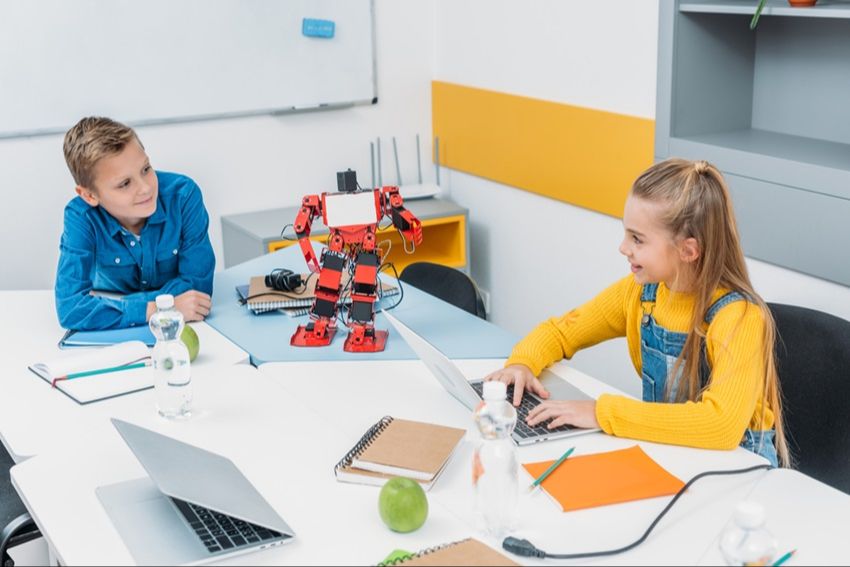
Bringing the robot into the classroom
Robots in the classroom. It's a rare occurrence, but a reality. More and more teachers are using robotics, and are invited to do so.
Publish at February 26 2006 Updated November 13 2024



While most faculties recognize the benefits of e-mail, there are some less attractive effects, including the erosion of boundaries that traditionally separated teachers and students.
While e-mail can help identify students who are having difficulty, or encourage the participation of more reserved students, a growing number of students are asking their instructors inappropriate questions, often with unrealistic expectations.
For example, a first-year student asking one of the university's most prestigious professors what school supplies he should buy... or students claiming to have missed a class because they were hungover, or asking for the lecture notes they missed, many students simultaneously asking for feedback on 250-page assignments, giving advice on how to teach, or criticizing their classmates, all without considering the consequences of their statements on their eventual evaluation.
Many teachers don't know how to deal with this phenomenon, or how direct and frank they should be with these students, especially as there are now so many forums and opportunities to evaluate teachers' performance.
Clearly establishing expectations and possibilities at the beginning of the session avoids the majority of problems with e-mail.
For the full article: " To: [email protected] Subject: Why It's All About Me" New York Times, February 21, 2006
Image: Alexandra_Koch - Pixabay
You might also like:
Bringing the robot into the classroom
Robots in the classroom. It's a rare occurrence, but a reality. More and more teachers are using robotics, and are invited to do so.
Writing a thesis: a long and not at all quiet river
The thesis is intended to be the crucial element of the doctorate. This research and the writing that follows demonstrate the seriousness of the future doctoral student. Yet this marathon can last a long time and be difficult for some. Today, more and more people are sharing their reality as PhD students.
EPALE: Electronic platform for adult education and training in Europe
The theme of this platform, aimed at education professionals, is adult education in Europe, and its aim is to bring together a wider community of professionals.
The Directorate General for Education and Culture is behind this platform, which was officially inaugurated on April 15, 2015 in Brussels, at a conference attended by over 220 people and followed by almost 5,000 Internet users.
Towards an egalitarian language?
The linguistic version of the gender war! The masculine overrides the feminine... but yes, remember that famous grammar rule we were taught in school in our younger years? It is now a thing of the past. Today, it's time for an egalitarian language. Let's embark on a tour of gender in language!
In the West, equality between men and women is rooted in values, even if there are still many issues to be resolved. In the rest of the world, however, these gains are still not present or remain very fragile. In fact, in many nations, girls are forbidden to attend school, or see many obstacles standing between them and it. Fortunately, some, like Malala Yousafzai, are fighting to change things.


