For a long time, the notion of product was a way of designating what was brought in by land or an economic activity. Then the term entered common parlance to refer to objects sold by a merchant. This has even been transposed to services, whether Internet access providers or broadcasting platforms.
Marketing has changed the approach to the product. It has become a social marker. We color ourselves by the goods we consume. What we drink, eat, wear and drive signifies to others in part who we are. Companies play on this: sports equipment brands sell the idea of enhanced performance, deodorants or perfumes give the illusion of irresistible seductive power and clothing lines are associated with refinement.
The Internet has accentuated this identification and offered Internet users the chance to really invest in the implementation of a product. With socio-financing, a person decides to vote with his or her money on a cultural project, a community project or a new service. The individual or institution receiving the funds must then respect this tacit contract of trust: "People believe in my proposal; I must deliver it and be transparent in the process."
On the educational side, this idea of community around the training product is making slow progress. There is still this noble vision that learning is not a commodity. Yet from the number of online course platforms and academic institutions jockeying for enrolment, it seems clear that there is indeed a market for training. American universities have embraced this commercialism, playing on the idea of their name as a brand by selling logo apparel, promoting alumni success and frequently using social networks to engage prospective students as much as those already enrolled.
The world of education is therefore quietly dipping its toe into this game to create community interest around courses and research. The best examples lie in certain uses of crowdsourcing (crowdsourcing) and especially participatory science, which is concerned with communities and the effect of human activities on them. It can then point researchers in the right direction to improve their lives, whether by cleaning up local ecosystems or improving social programs.
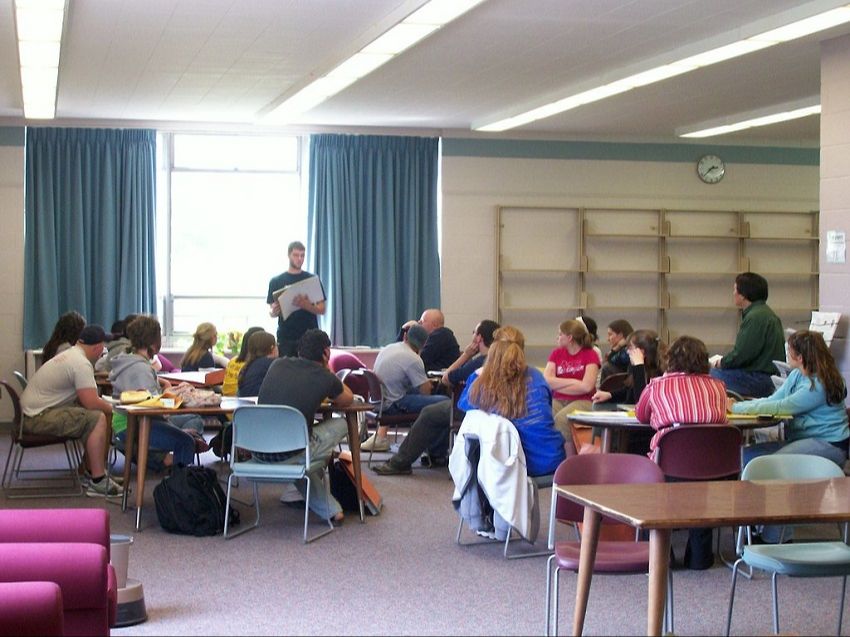
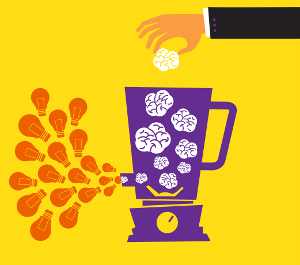
Some institutions are even daring to think about co-constructing courses based on student proposals. An approach that provokes debate, but has the merit of sounding out their didactic needs and improving training based on their impressions and questions raised by the field they're interested in. Taking a closer look could result in programs that are more faithful to the realities they will encounter in the field.
Here, then, is a task that schools and teachers could give themselves over the summer period. Find out how to federate a community around a course or program to make it as attractive as possible. All without losing sight of the transmission of knowledge and skills.
Happy reading!
Alexandre Roberge - [email protected]
Image: Gerd Altmann / Pixabay