Publish at October 20 2020Updated February 14 2024
How do you get a robot through a crowd? Public cobotics arrives at INRIA
The question now is
Date: November 10 2020
to November 10 2020
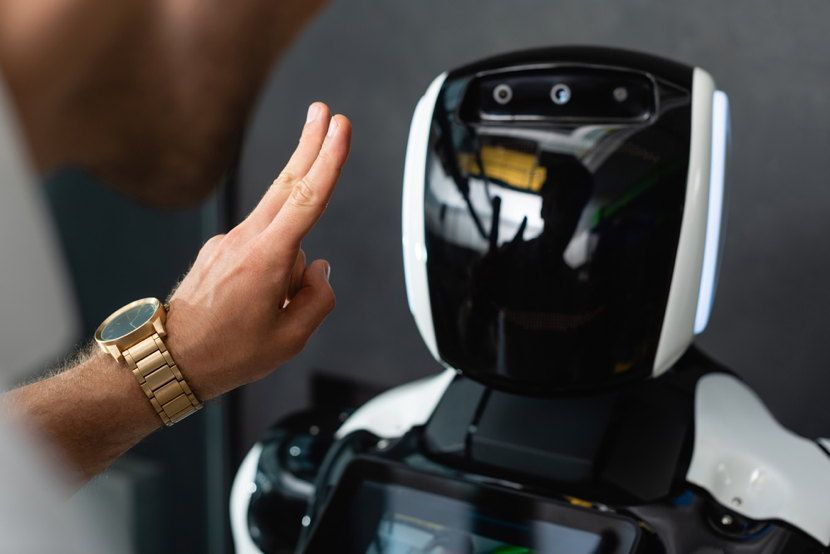
From assisted wheelchairs and delivery robots to robotic assistants in hospitals and nursing homes, robots are frequently called upon to operate and circulate in unprotected public environments, such as busy streets and crowds. The field of cobotics - working with robots - is opening up, and the challenges posed extend beyond the technical realm into that of immense human complexity.
For example, legislators and regulators need guidelines to define what is acceptable in our relations with robots, and what should be demanded of them. Programmers need to know exactly how humans react and behave in various situations, such as when passing through a doorway, when two streams of people cross, when a sudden obstacle (a person who stops) presents itself in a stream of people, and so on.
Crowdbot, a consortium funded by the European ICT H2020 program and coordinated by Inria, is addressing these issues. In a huge room, they are analyzing crowd movements in various situations and, from there, modeling these movements to then make a virtual robot evolve in a virtual crowd in order to speed up the development process at lower cost and without the risk of causing accidents.
This video shows data collection
Algorithms can then be developed and quickly compared in the simulator. In this way, solutions can be optimized more quickly and then tested in situ.
Those who invest in A.I. in the workplace do so from a managerial perspective (greater efficiency, profits, competitive capacity...), while workers are likely to lose their autonomy, the recognition of their expertise, their attention, their value, and ultimately the meaning of their work. How do we strike a balance?
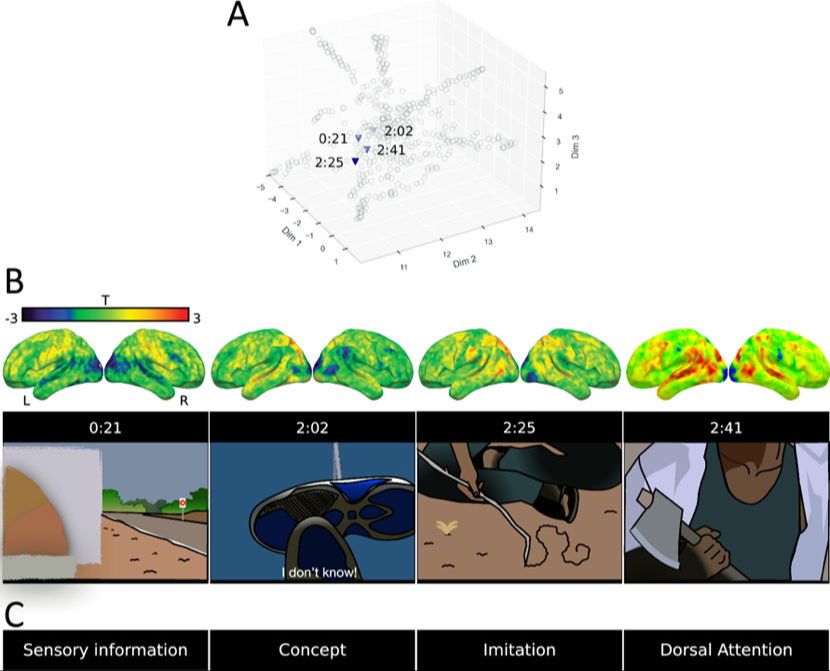
"The realization of this new way of understanding and visualizing cognition offers a major opportunity: that of being able to guess, from an image of the brain, the cerebral activity at play."
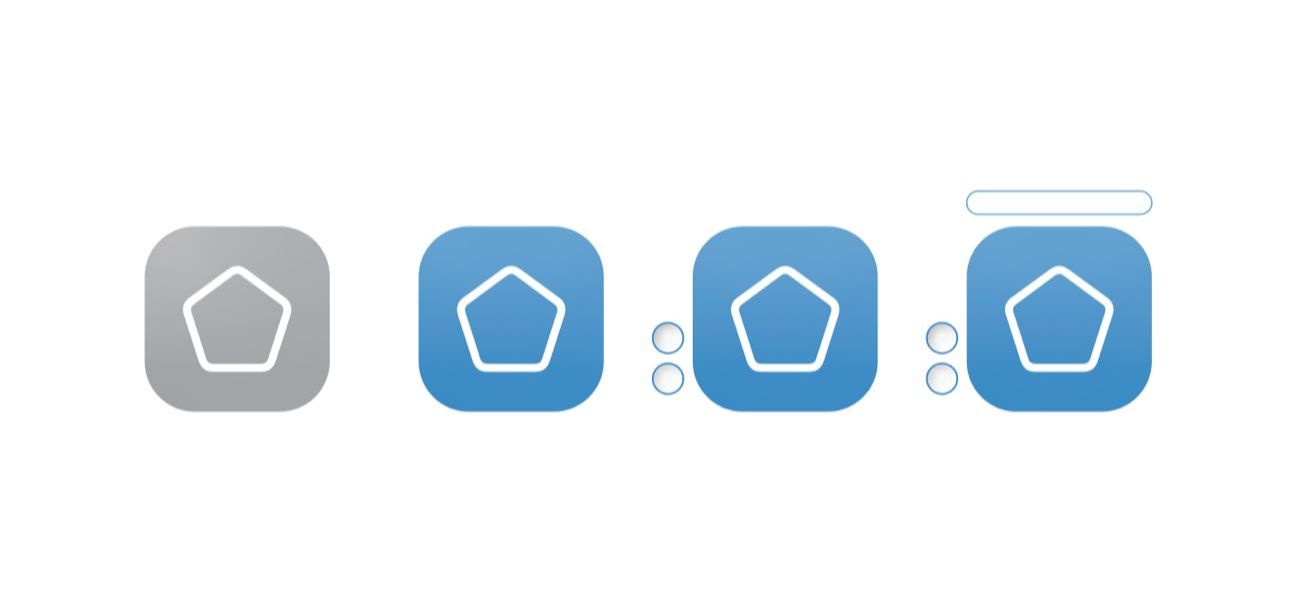
It's hard for applications' graphical interfaces to reveal their full functionality, even less so on phones where menus are reduced to their simplest expression. INRIA is working to improve the situation.
The aim of the INRIA team is to use the easily accessible signals from connected objects to develop algorithms capable of interpreting them to extract useful information for athletes.