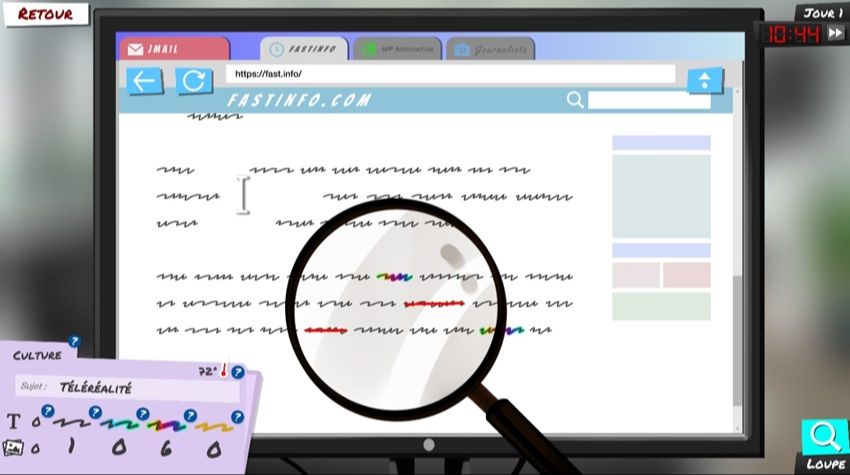
Tests of vigilance and attention
Measuring attention remains a concern in many settings. Some work tasks are not very error tolerant. Here are a series of sample tests to measure attention in children and adults.
Publish at June 01 2021 Updated December 06 2023


At school, children learn their mother tongue, a secondary language, mathematics, scientific concepts, geography and history, among other things. Yet there's nothing to teach them how to name and grasp what's going on inside them, namely emotions. What if there was a course that specifically addressed this? This Brut report shows an experiment in a Belgian elementary school.
The teacher has taught the youngsters the definition of different feelings, needs and values. She teaches them the difference between the three, enabling them to express the emotions they feel.
This may concern everyday issues at school, or conflicts with peers. The approach gives the two little ones involved an opportunity to see each other's perceptions and find common ground. This method also enables the children to bear witness to the discomfort and violence they experience at home.
Running time: 4min10
Illustration : Pezibear from Pixabay
Learn more about this resource
You might also like:
Tests of vigilance and attention
Measuring attention remains a concern in many settings. Some work tasks are not very error tolerant. Here are a series of sample tests to measure attention in children and adults.
Newscraft: the game that puts you in the shoes of a reporter
A serious game that explains and brings to life the notion of news selection and the editorial line of different types of media.
Develop your musical ear through play with Meludia
To a layman, music is just a tune performed by a musician. Yet, if he were to play Meludia, he would learn all the rudiments and terms associated with musical practice.
A series of games that require an ear.
A fun game about heredity and genetics - Welcome to Thingdom
How do you talk to children about genetics and heredity? A British museum has come up with the method: design a game in which you create a line of adorable creatures with precise objectives. The game is fun, colorful and easy to learn. Even adults will succumb to the charms of the bugs and their large families.
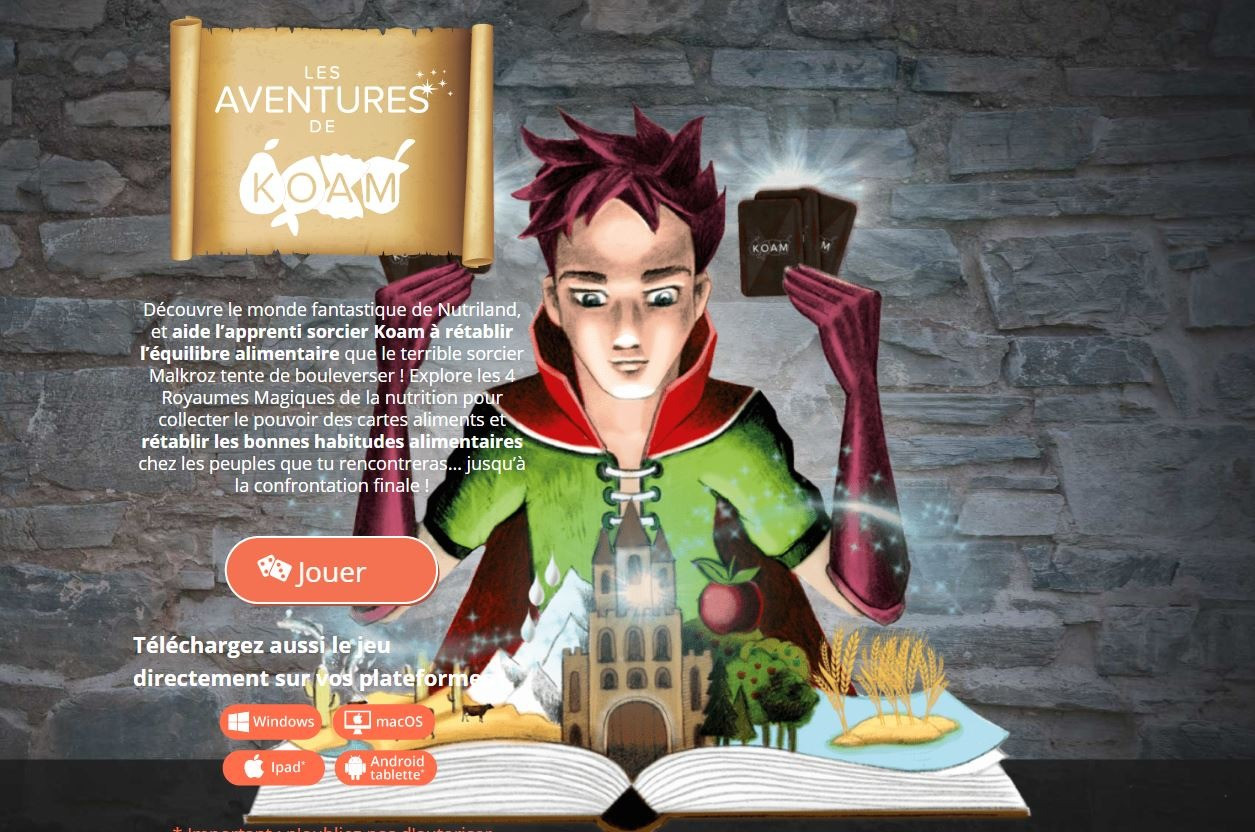
Koam, playing with balanced nutrition
A veritable showcase for public health, Koam was developed by Nutrikeo, a consulting firm specializing in nutritional strategies. Supported by BPI France, the Nouvelle Aquitaine region and Europe, Koam is the result of two years' work by a team of leading specialists in nutrition, childhood, pedagogy, sociology, digital and behavioral theory.