Meeting objectives without working yourself to death
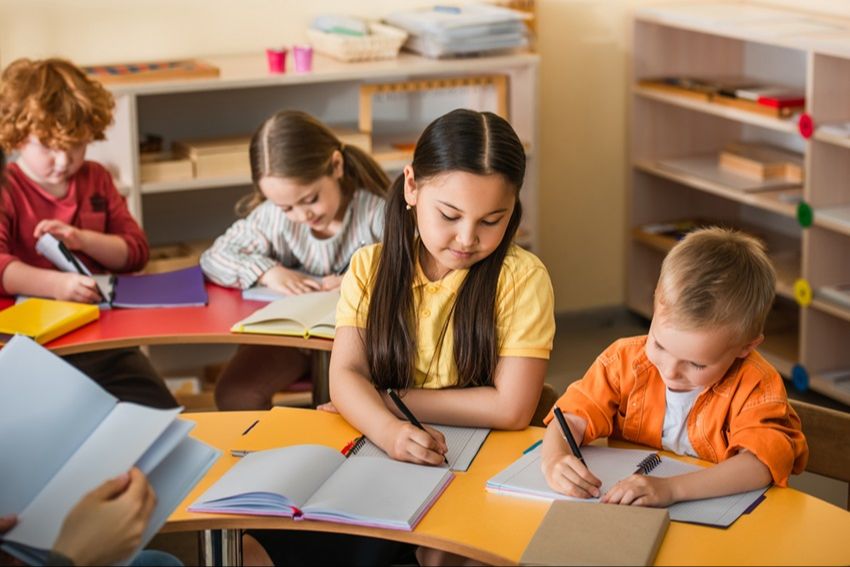
Many teachers find themselves rowing their boats every day of the school year to get their students to get down to work. It's easy to think that they're lazy, that they don't want to do anything, and so on. For teacher Marie-Camille Coudert, this reality hides the real problem: the dysfunction of the traditional classroom as a whole.
Indeed, in this video on her channel, she explains that she understood that a different approach was needed than just grumbling about the indolence of certain students. After all, it's unfair to expect everyone to have the same notion of work, when that definition varies according to family background. Especially since, in a world that is becoming increasingly automated and risks leaving these generations with fewer resources, constantly demanding effort seems, in her view, paradoxical.
So, rather than working relentlessly to ensure that students are always at peak effort, she proposes adopting the adaptive classroom. A model that allows learners to adjust their efforts according to what they can do, without being penalized at the end of the day. For those interested in this approach, take a look at this other video she has produced on how this type of teaching works.
Planning an audience engagement strategy using digital tools is anything but a simple undertaking. Two authors have published a practical guide online to help with this planning in cultural institutions, a guide that could probably be adapted to other fields.