

The Englishes MOOC course was developed by an artist and is designed for anyone interested in the (English) language. It explores the history of English, its pronunciation, and its relationship to the art world.
Publish at May 21 2026 Updated May 21 2026


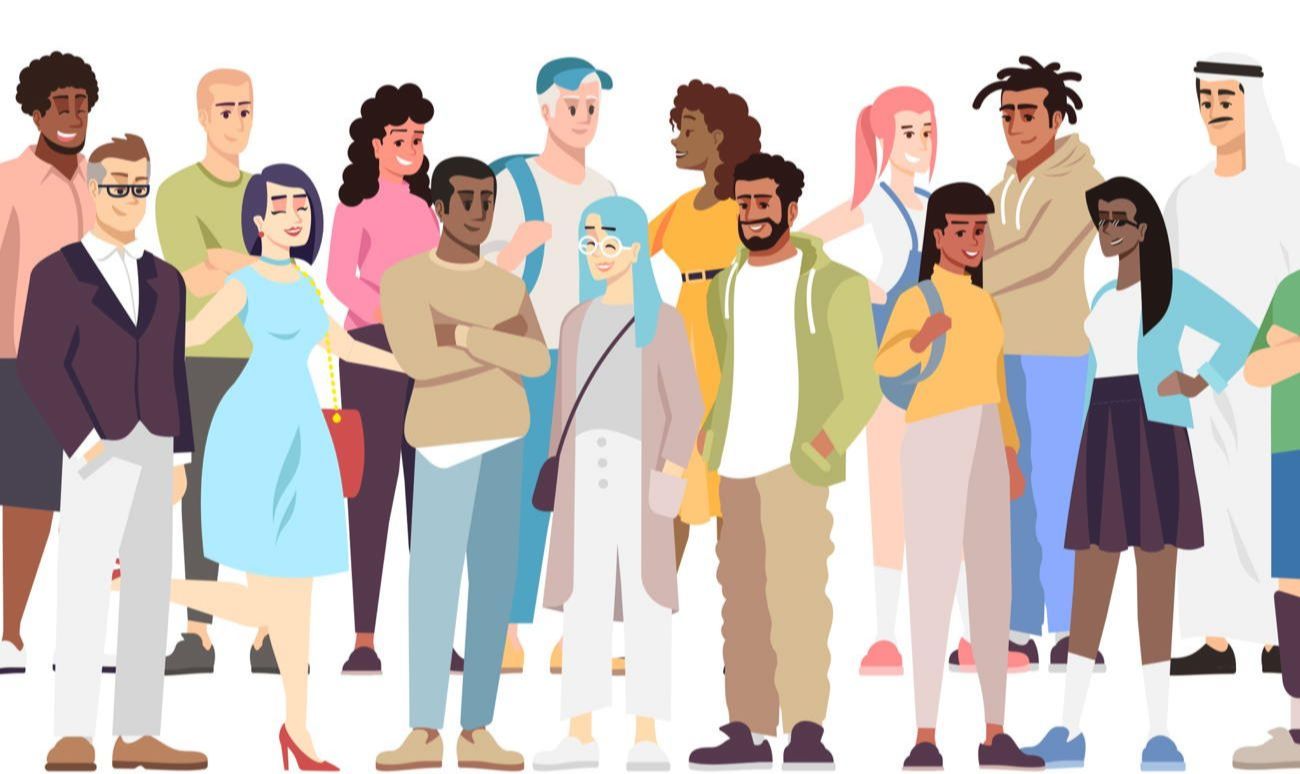
The myth of Babel is well known: this great tower built by a humanity united under a single language was destroyed by God, who then condemned humans to converse in different languages. But what of history? Did mankind ever speak the same language?
It's hard for historians to say, since it was the invention of writing that made it possible to track linguistic evolution. However, many suspect that it was the ability to express oneself verbally that "domesticated" the first hominids, who moved on from physical violence to words and, eventually, agreements and compromises.
In fact, even today's best-known languages did not take this form. Post-revolution France didn't speak normative French at all. Each region had its own lexemes, accents and expressions. To create the French Republic, the authorities worked to impose the language spoken in Paris. Others also dreamed of universal languages as a common foundation. If Esperanto is the best-known example, it was preceded by Volapük, which made its way from Europe to Asia, via America. However, its creator's intransigence on the established rules led to the exodus of its speakers.
A language that survives adapts and transforms itself. Moreover, those that die out bury cultures. American First Nations have seen their mother tongues eliminated by U.S. authorities intent on "killing the Indian to save the man". Fortunately, some individuals are trying to revive these specific, telluric languages, linked to the environment where these peoples lived. What if, somewhere along the line, the idea wasn't to find a common language, but a way of being understood by everyone while retaining their own unique linguistic touch?
Running time: 25 minutes
Image: Gerd Altmann from Pixabay
You might also like:
The Englishes MOOC course was developed by an artist and is designed for anyone interested in the (English) language. It explores the history of English, its pronunciation, and its relationship to the art world.
The sharing economy has led to small changes in various economic sectors such as transportation, housing, etc. This approach has changed the relationship of citizens for different services, now cheaper and offered by their fellow citizens. However, who actually benefits from this new economy? The people or the companies in question? A U.S. newsgame shows how the life of Uber drivers isn't as lucrative as one might think.
A fun game about heredity and genetics - Welcome to Thingdom
How do you talk to children about genetics and heredity? A British museum has come up with the method: design a game in which you create a line of adorable creatures with precise objectives. The game is fun, colorful and easy to learn. Even adults will succumb to the charms of the bugs and their large families.
Tests of vigilance and attention
Measuring attention remains a concern in many settings. Some work tasks are not very error tolerant. Here are a series of sample tests to measure attention in children and adults.
A serious game on social engagement
Many serious games address the topic of sustainable development. Yet before such solutions were proposed, innovative people had to go against the social grain and fight to improve their environment. A humorous adventure game, hosted by the National Film Board, teaches children the attitudes they need to adopt to make a difference.


