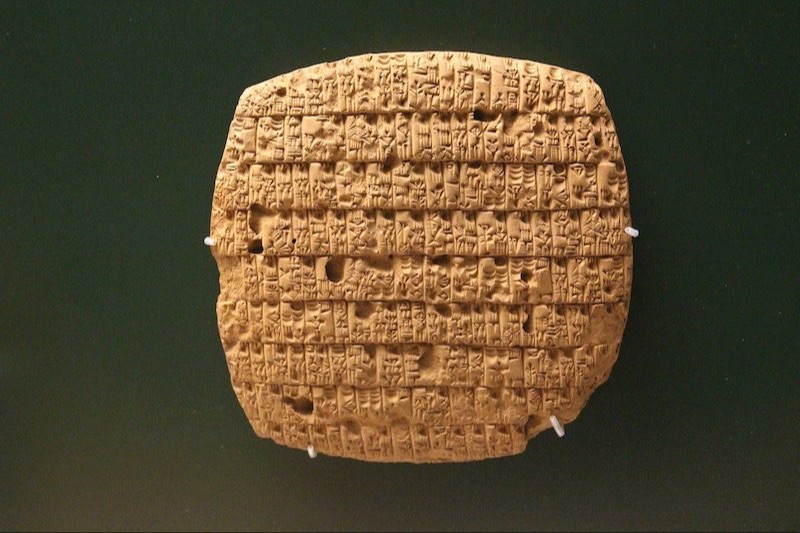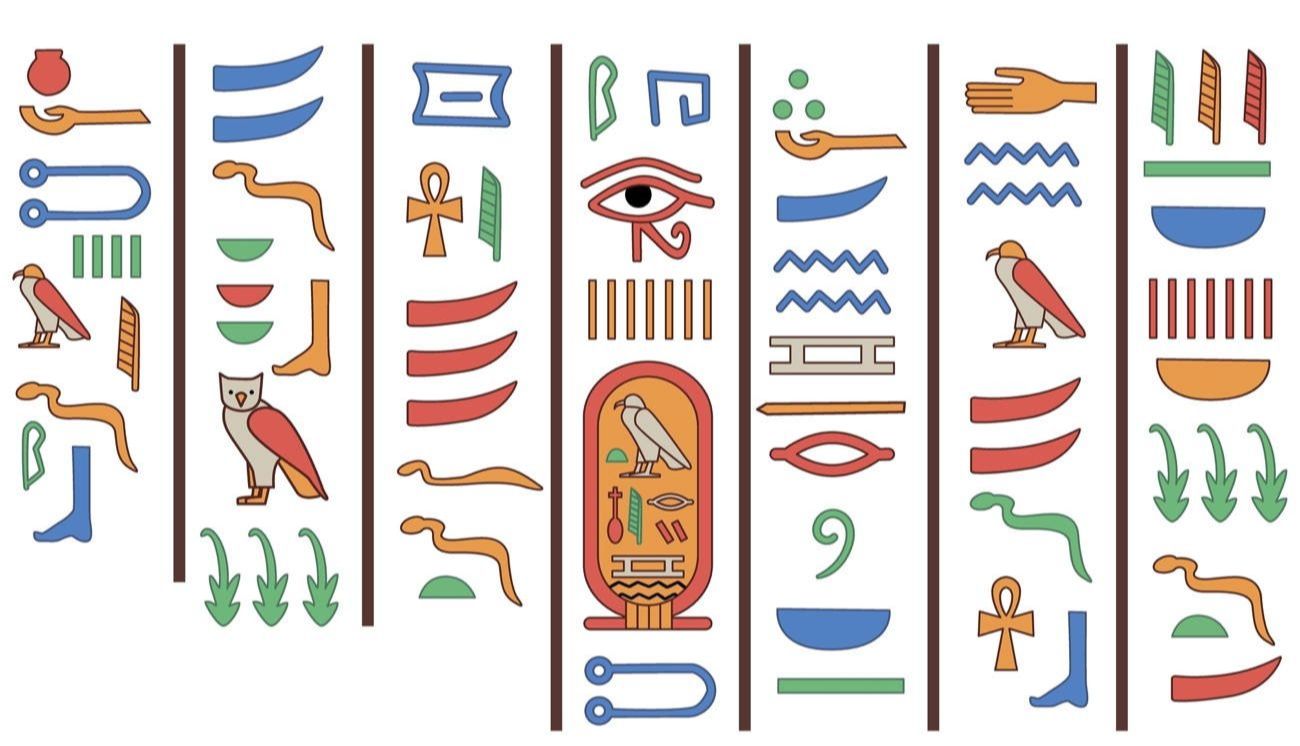
As a vector of communication and identity, languages are dissolving in the intelligent machine. With AI, a word becomes a concept, a concept that can be transcribed into hundreds of languages, transformed into sound, image or data linked to a region, style, author, emotion or use. Combined in this way with 1,000 meanings depending on the context, the concept acquires a flexibility and dynamism that no lexicon has ever been able to offer.
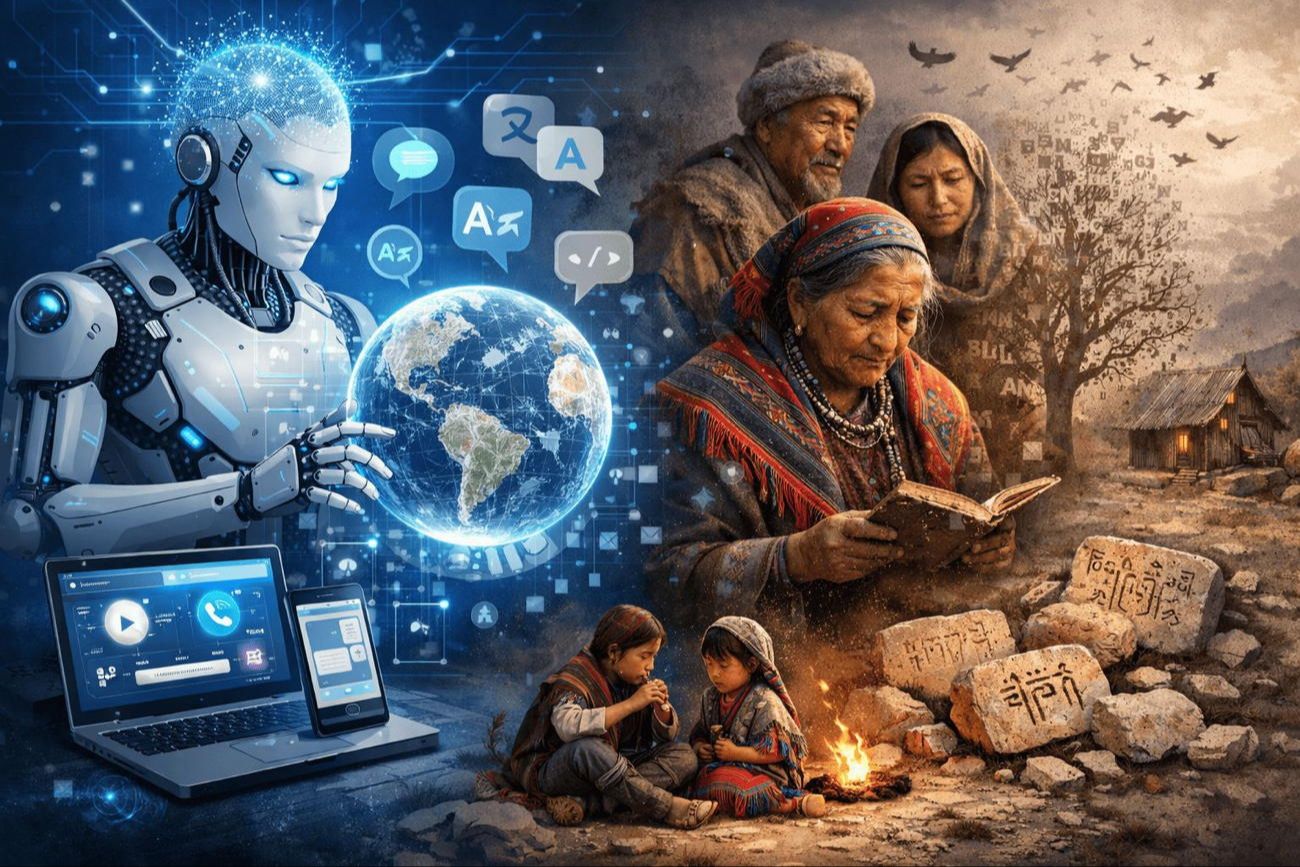
Faced with this immense potential, languages that are not sufficiently integrated into A.I. data processing are clearly threatened with extinction. A.I. can reconstitute vanished languages, but it doesn't bring them back to life; rather, it tends to standardize and prioritize them according to frequency of use. The network can make an invented word popular on a global scale, but is unable to account for a unique local reality if that reality is neither documented nor solicited.
As a result, thousands of less formalized languages feel their demise approaching through attrition, while others act like sponges, blithely integrating influences into techno-assisted languages, creoles, pidgins, sabirs and other developing shengs. Even formalized languages are being disrupted by the irruption of language technologies.
If micro-messaging has led to the development of a particular style of writing, and SEO (Search Engine Optimization) techniques produce texts with a clearly identifiable format, this was only a foretaste of the effects of A.I. on our ways of expressing ourselves and even thinking. GEO (Generative Engine Optimization) marketers are already urging us to "state complete, self-contained ideas in a paragraph" to increase our citation frequency in AI. Not to mention voice-assist technologies and ways of "prompting" an AI with contextual details we'd never dream of inserting into a human query. Pleasing the machine is now part of a new techno-social etiquette, like not putting a period at the end of a text message.
That these changes are also transforming our relationships and our psyche naturally follows. Easy access to knowledge increases the intellectual gaps in the population as well as the spectrum of opinions; our patience and tolerance are affected, and the sheer number of possibilities opened up by AI forces us to question many certainties about our intellectual and linguistic superiority. Our ways of learning and teaching are obviously affected, priorities are changing and, beyond learning to read, write and count, it's the skills of processing information, from its production to its organization and evaluation, that are most often on the agenda.
Language has always been a power issue; all empires are built around a language; it's not surprising that LLMs (Large Language Models) are at the heart of power struggles. Let's hope it's not at the expense of our own.
Denys Lamontagne - [email protected]
Illustration: Shutterstock - 2739687715