Today, local cultures interact with others, and can face sudden popularity as well as opprobrium or indifference. A certain uniformity is spreading: for example, rap music and business incubators can be found in virtually every region and country, having proved popular or effective, but localities are also specializing with the aim of attracting the best artists, craftsmen or professionals from the region, country or world. In this way, networks are created, whole regions help each other out and highlight their complementary particularities.
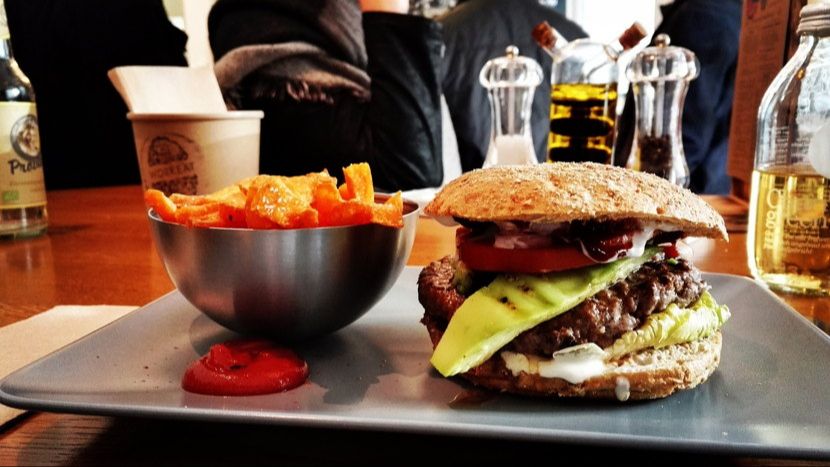
You can eat French baguette, Swiss cheese, Moroccan couscous, Quebec maple syrup, Japanese sushi, Ukrainian borscht, Italian pizza, pad thai, Ivorian foutou and many other foreign dishes, and still enjoy the food of your own corner of the world. It's no different with music, film, theater or literature. We simply consume more culture than ever before, and more varied at that.
Certain customs, conventions and laws lead to specific behaviors, just as geography and climate shape local practices: in England, we drive on the left; in Japan, shōji (paper walls) are common because they resist earthquakes well; in Paris, café terraces close at 22:00, in Quebec City, sloping roofs must be fitted with snow deflectors... Structures and ways of doing things are adapted to their physical and social environment, and fit into the local culture, unless it's the local culture that models the way of doing things, as long as the expected result is achieved.
In education, considering local culture in a national program is a matter of political will. It unfolds through the initiative of teachers and the space left to it by the authorities. In this respect, the French program for artistic and cultural education can serve as an example.
Identification with one's community, participation and a sense of belonging develop well through local culture, with many benefits in terms of social and personal balance; even the local economy is better off for it. Finally, as algorithms associate data with geographic position, local particularities become a good way to stand out on the Internet; with over 60% of the world's population using the Internet, we might as well make the most of it.
There's a pleasure in discovering other people's local cultures as much as in highlighting your own. It's one of the human experiences that should be valued.
Denys Lamontagne - [email protected]
Illustration: Nobsa village store, Boyaca, Colombia