It's not yesterday that administrations sought to regulate activities or that advertising sought our attention, but today we've moved on to a different scale. The injunctions demanding our attention add up and limit our real availability: we're always busy, and more often than not with pleasure, because at the same time, our reward circuits are saturated with scientifically calibrated gratifications to the point of making us dopamine diabetics. Finally, "alerts" are essential: they vibrate, they beep, they flash, and our attention is diverted by our own detected interests, regardless of our current activity.
Agendas, calendars, reminders, organizers, groupers and other digital tools try to relieve us, but also require our attention to program and follow through. In the end, the gap between "restlessness" and "efficiency" widens. Hence the question: "How much effective time do we devote to what we do?", especially in education.
More often than not, the attention actually paid is only sporadic and patchy. These conditions make it impossible to achieve the kind of sustained concentration needed for reading, studying and, more generally, for structured learning - learning that is not just imitation, but understanding and reflection. Discussion, practice and meaningful interaction are on a different level from clicking on algorithmic elements, even if they are personalized.
Availability is a quality that allows all the others to express themselves. If the best advisor, teacher or friend is never available, he or she will hardly be appreciated.
The real time devoted to activities, whether we're leading them or carrying them out, does not accommodate impertinent interruptions, nor does our mental equilibrium. The world of teaching has realized this for some time, and is beginning to establish the discipline needed to exploit digital tools effectively.
Mental availability is coming back to the fore.
Denys Lamontagne
[email protected]
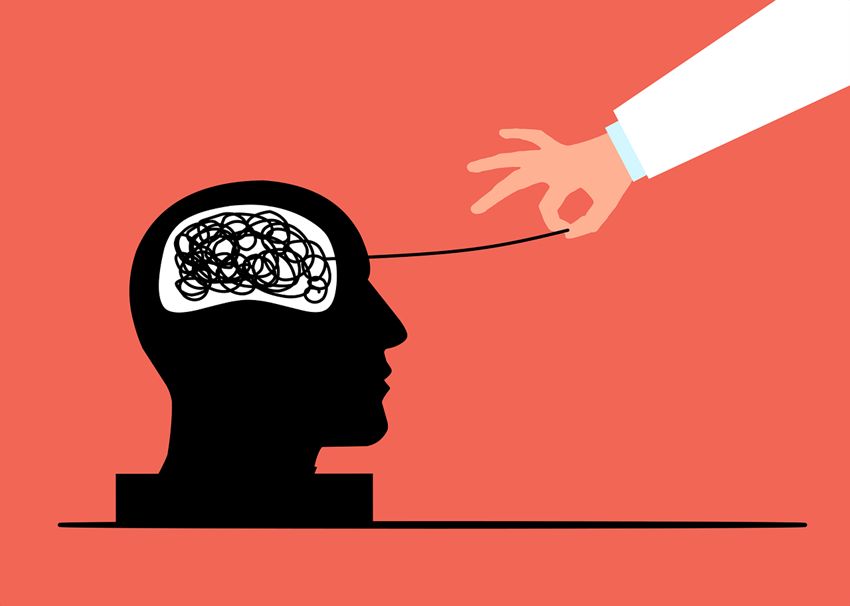
Illustration: kp yamu Jayanath on Pixabay