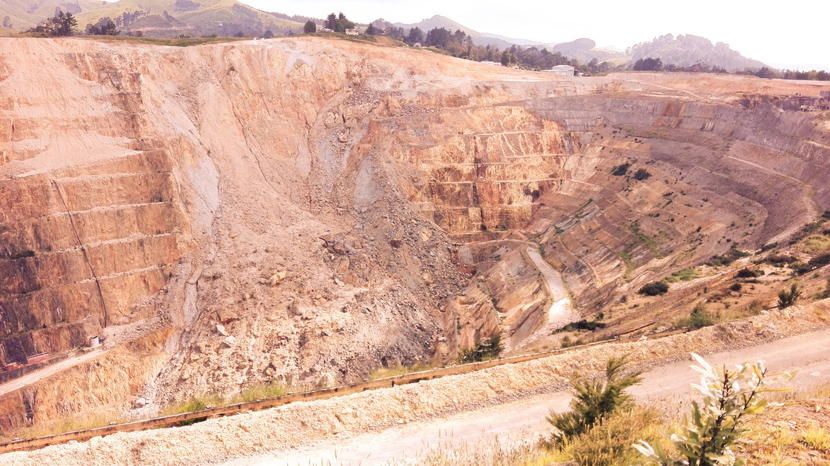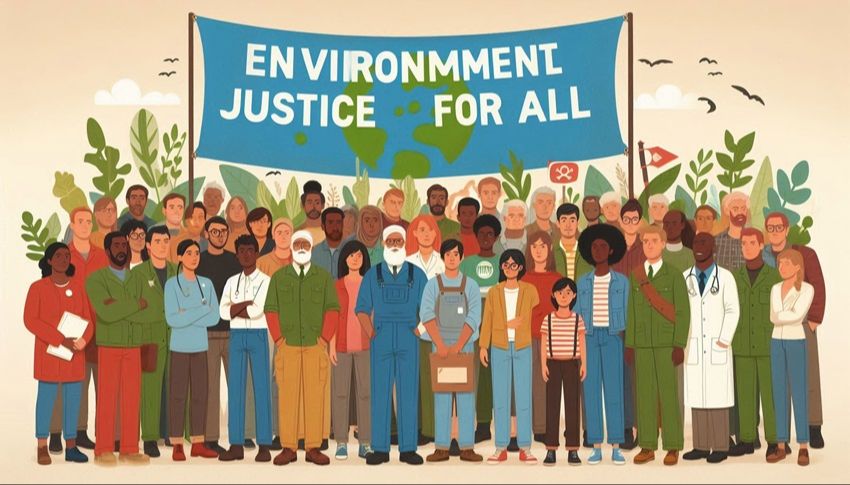
The best environments have always been snapped up first, and their attractiveness increases their economic value. As a result, the poorest are systematically relegated to less attractive environments. Education is no exception to this phenomenon; just compare schools in rich and poor neighborhoods, or in urban centers and remote villages.
Governments are well aware of the value of education, and the best-intentioned seek to promote its accessibility and quality, which is not without its difficulties, especially when it comes to changing mentalities and well-established inequalities. Improving access to higher education for girls and racialized people, helping the disabled and under-performing students, supporting disadvantaged families and other marginalized groups - these actions bring tangible benefits for society in general, if only in terms of the number of problems subsequently avoided, but they are gradual changes whose effects are slow to be seen.
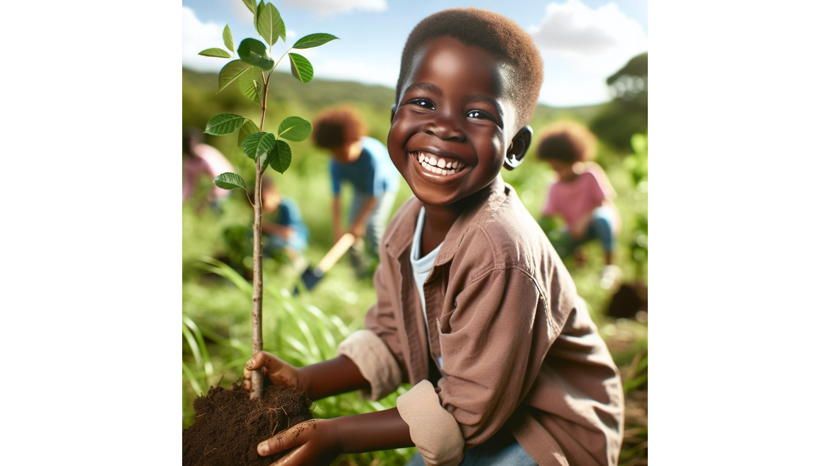
Fortunately, we don't always have to wait for a ministry or government to take action; local, concerted action is possible. For example, we know that schools in degraded environments perform statistically less well due to a combination of factors, and it's always possible to improve the situation. Initiatives take shape, and when they are supported by local authorities, things normally get moving. More generally, schools are well placed to initiate changes in mentality and limit the effects of social and environmental injustices.
Denys Lamontagne - [email protected]
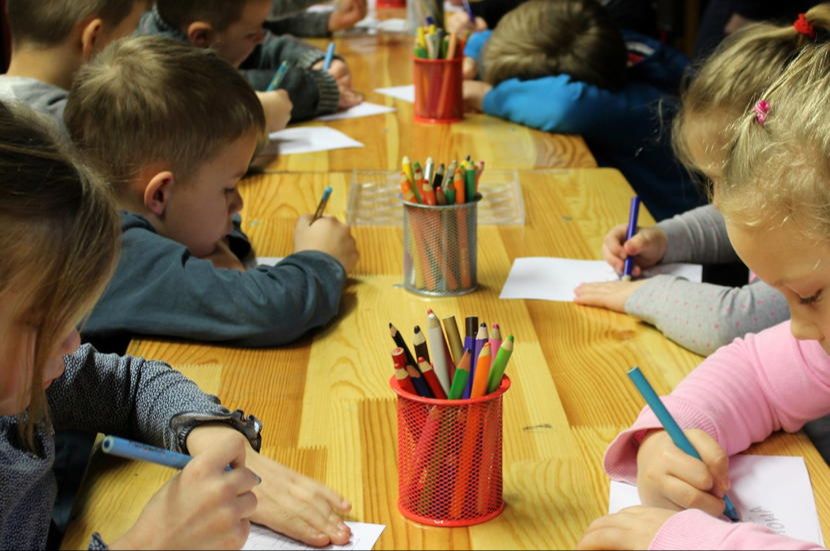
Illustration: Alicja on Pixabay