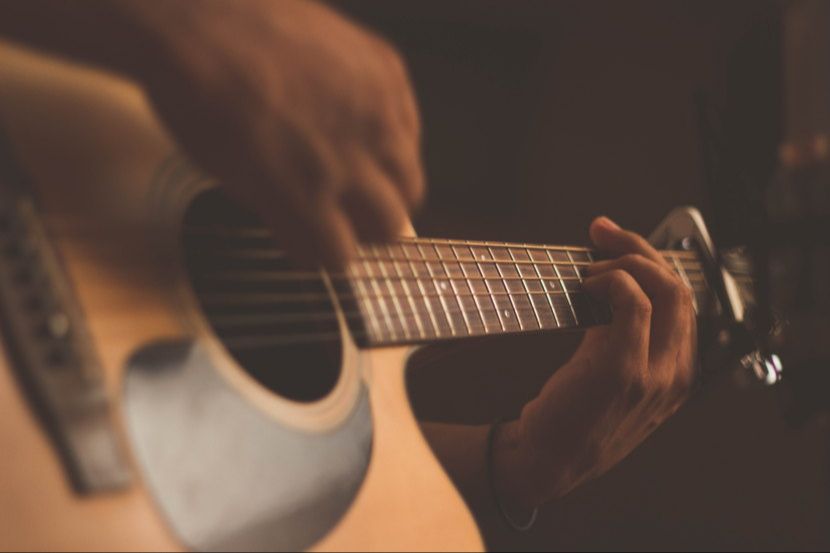
The fact that the vast majority of musicians don't make a living from their art doesn't change the fact that anyone can sing or play an instrument. First, you play music, with all that this implies in terms of pleasure and spontaneity; then you begin to improve, to play your preferences, to assert your style and eventually to compose, then gradually to enrich your repertoire and reach a wider audience, until you extend your reputation and become professional.
Even as a professional, the musician continues to play with emotions, his own and those of his audience; he knows how to create an atmosphere, more or less energetic. A frenzied show, a dance hall, a subway station, a listening room, an elevator, a waiting room, a study period, a ceremony, a training session, a movie theater, and so on. There seems to be a right music for every place, activity or moment, all in a mix of preferences and styles seemingly unique to each person.
Between 78 rpm records, which could contain a 4-minute recording on each side, played on a gramophone owned by a privileged few, and continuous listening, on any kind of device and accessible to over 3 billion people, there's a music industry that has multiplied the opportunities for people to listen to music.
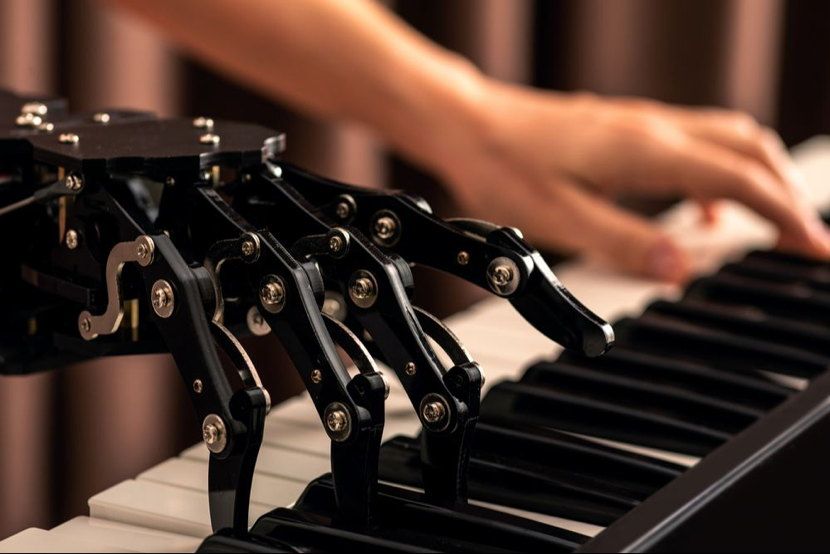
But now comes artificial intelligence, capable of identifying our preferences, indicating those that will appeal to the greatest number, assisting composers and guiding them towards maximum effect by increasing their ability to touch us. Will it make us insensitive and jaded? That's without counting on human creativity, which knows how to discover new ways of playing and listening to music in ever more varied styles, for our greatest pleasure.
Happy Music Day
Denys Lamontagne - [email protected]
Illustration: S_Razvodovskij - DepositPhotos