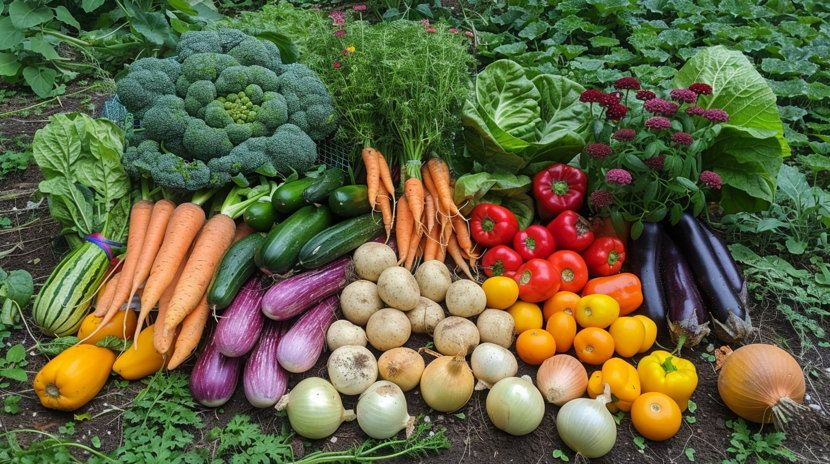
Harvest time is upon us. Food production, preservation and processing techniques are at the root of the proliferation of the human species. Avoiding food loss and shortages is the basic objective of food processing.
In addition to preservation techniques such as ensiling, drying, salting, fermentation, pemmicanization and other traditional processes, there are the more modern techniques of cold desiccation, rapid cooling, freezing, irradiation, nitrogenization, vacuum preservation, pasteurization, addition of stabilizing additives and others still under development.
Yet, despite all this progress, food losses are colossal. Overproduction, transport, packaging, marketing, ultra-processing, expiry dates... the food industry's problems are numerous. Some of them could be solved by bringing food production closer to consumption, and by integrating the population into the food preservation equation. The industry can't have all the answers, and its massive approach is not the best one when it comes to an activity as intimate as food.
When the harvest season arrives, everyone can contribute to ensuring food reserves. Whether olives, grapes or apples are left in the trees or lost in the warehouses, when crops rot in the fields, when milk is thrown into the gutters, when ugly vegetables are crushed for methanization, we can only say that we can do better.
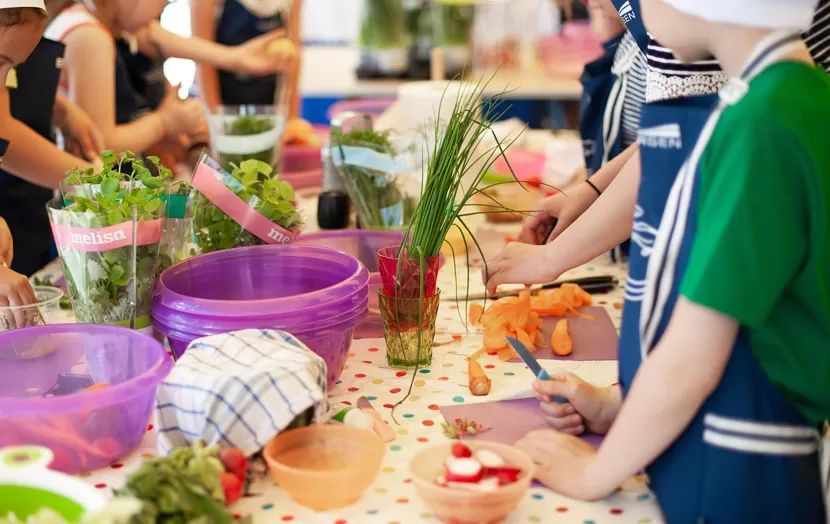
To take care of more of what we eat, we can start by taking an interest in it at school, and many are already doing so successfully.
Denys Lamontagne - [email protected]
Illustration: AJS1 on Pixabay