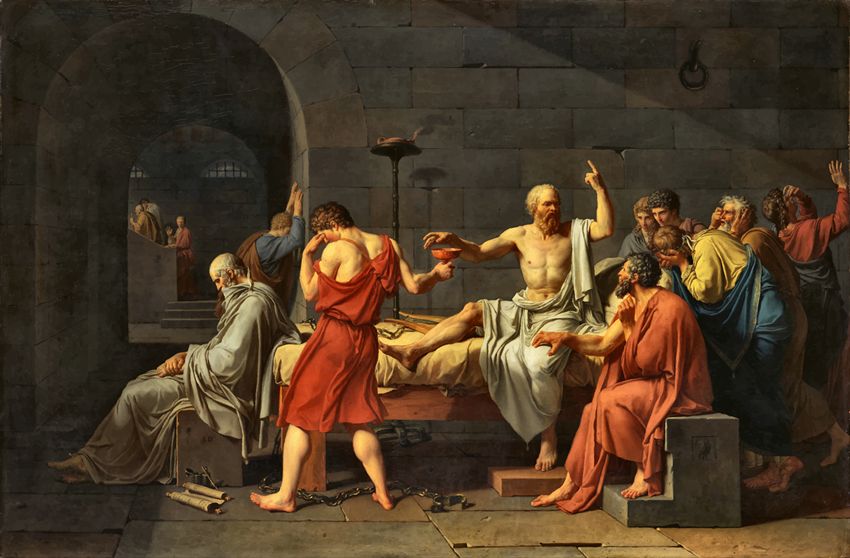
Good judges base their decisions on criteria that are not arbitrary and that are known to those being judged. Assuming the position of judge is not easy, and requires rigor and attention. Solid judgments are difficult to contest, they have value and give value to those to whom the judgment applies, whether through a grade, a diploma, an award, recognition or a verdict.
Naivety, the absence of judgment and experience, is an attitude that is lost very quickly and has nothing to do with the fear of judging. The conclusion that we shouldn't judge comes from a judgment that "judging others is bad". What's bad about judging is bad judging. If we allow ourselves to be influenced and to fall into arbitrariness, at the whim of the customer or according to the mood of the moment, we can very well conceive that judgment is bad. The problem is not knowing how to exercise judgment, nor knowing how to recognize the quality of a judgment. Sometimes popular judgment is wonderful, sometimes completely destructive.
It's easier to accept the verdict of people whose sound judgment is recognized. Trusting one's own judgment is part of self-confidence. Even if there's often no judge more ruthless than yourself, you have to recognize your qualities, and that's part of a good mental balance. As we're not all Solomons, it's also perfectly legitimate to refuse to be judged by people whose biases or incompetence we know. Mock trials in dictatorships are not worth much.
Whatever the value of the judgment, its effects are appreciable, positively or negatively, hence the importance of the subject. In education, we're all familiar with the Pygmalion effect: if we think our students are good, a judgment that is positively biased, they become better; if we think the opposite, they become worse, because our judgments, even unconscious ones, are reflected in our behavior. Judgment acts as a filter. In the flow of events, news on networks or presented by an A.I., faced with political or ideological proposals, school remains one of the rare places where we can contribute to developing each person's judgment.
What do we base our judgments on? What happens when the criteria are not known to the person being assessed? Are there universal evaluation criteria (symmetry for beauty, harmony for music, response time for politeness, etc.)? How do prejudices become systemic? How can we change them?
There's a lot to be said for judgment and education!
Denys Lamontagne - [email protected]
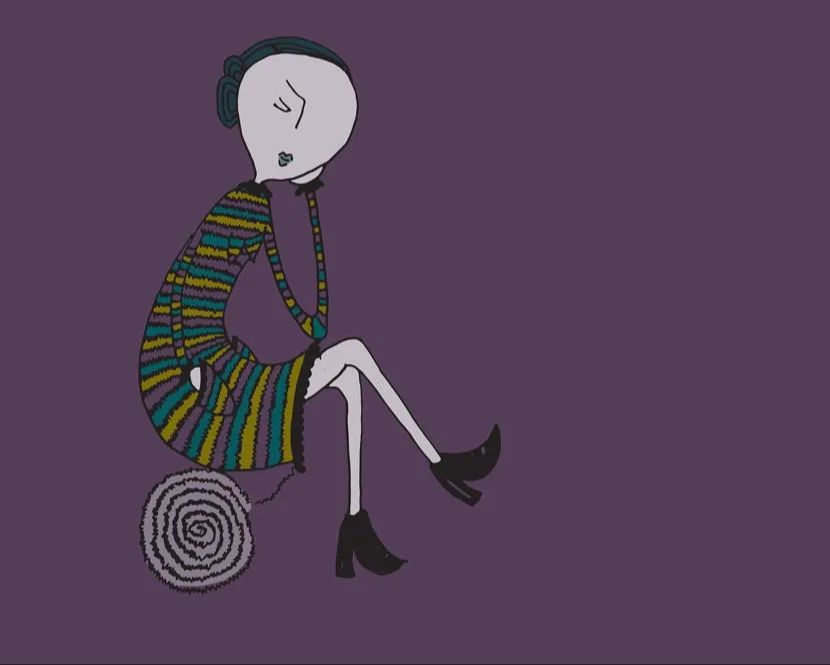
Illustration: cristinaureta - Pixabay