Our conscious attention can focus on just one thing at a time, but its span can be concentrated on a detail or encompass an entire landscape. It can also "flicker" for a moment over dozens of objects in a row, or remain focused for several hours on a single one. It knows how to adapt: the way it is solicited leads it to adopt habits.
When solicitations are few, attention needs no supervision. We can give each event or person our full attention. But as our attention has acquired a commercial value, it is now attracted by so many interesting and sophisticated things that it can no longer be left unchecked.
Digital reality is exerting unprecedented pressure, and no one can escape it. Just-in-time, agility and compliance demand our attention at the slightest anomaly, to the point where we're giving attention to our attention! Attention management methods are proposed to bring it under our conscious control: setting aside reserved time and space, prioritization, restrictions, programming, biofeedback, etc. These are ways of regulating pressure and learning to thwart our "reflexes", especially those exploited by algorithms.
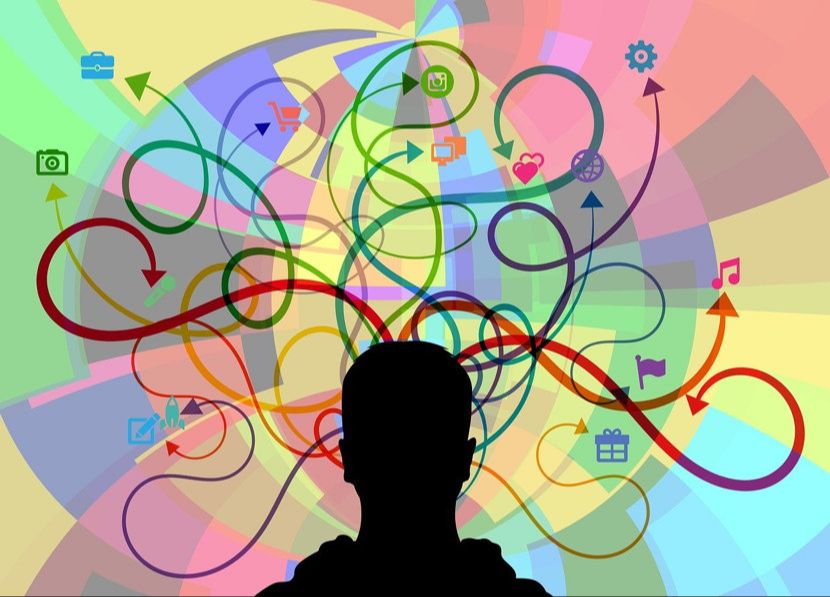
Our discontinuous attention provokes a new type of reflection, a kind of meta-reflection, like impressionist paintings whose image only appears coherent at a certain distance. The hundreds of interactions that our mind more or less consciously compiles paint a picture and provoke impressionistic questioning. As a result, many people find that their behavior is altered and their thinking is oriented, not necessarily in their best interests.
This dossier invites us to examine our attention, and to focus it on the things that matter to us.
Denys Lamontagne - [email protected]
Illustration: Albert-Paul - Pixabay