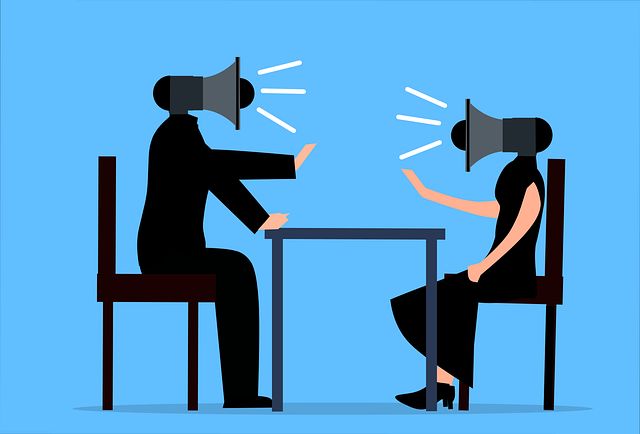
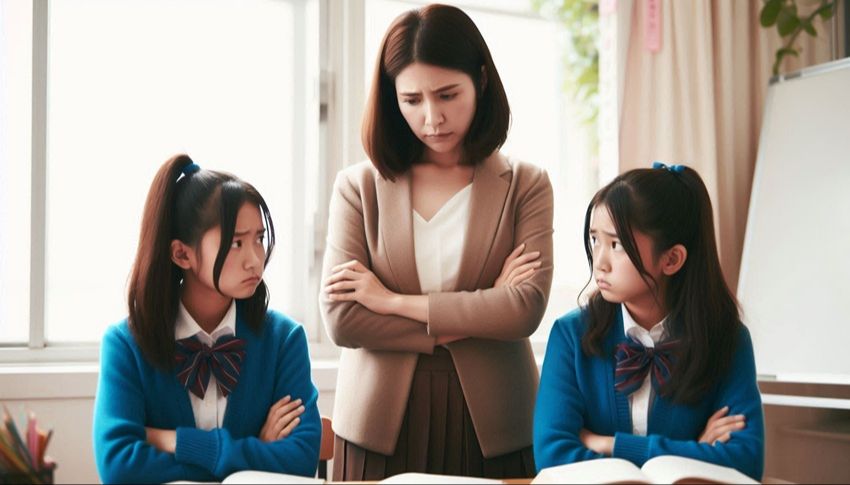
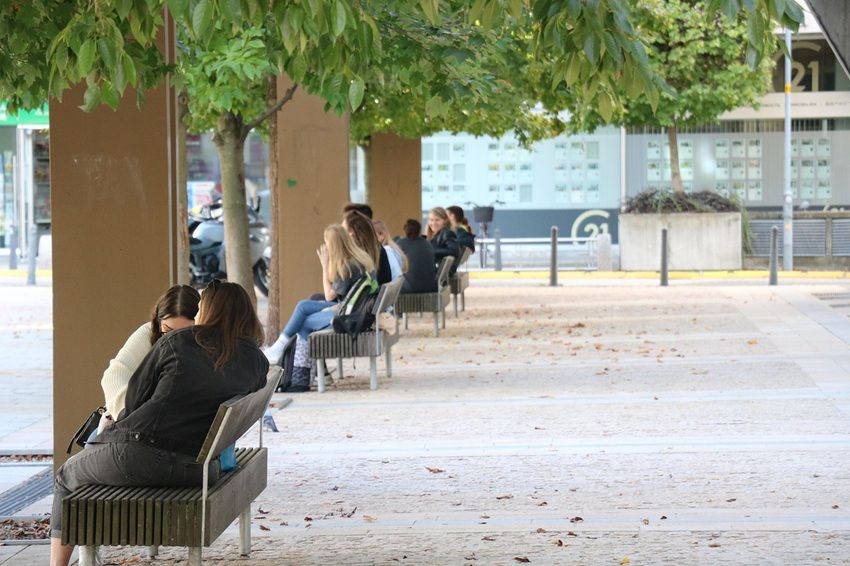
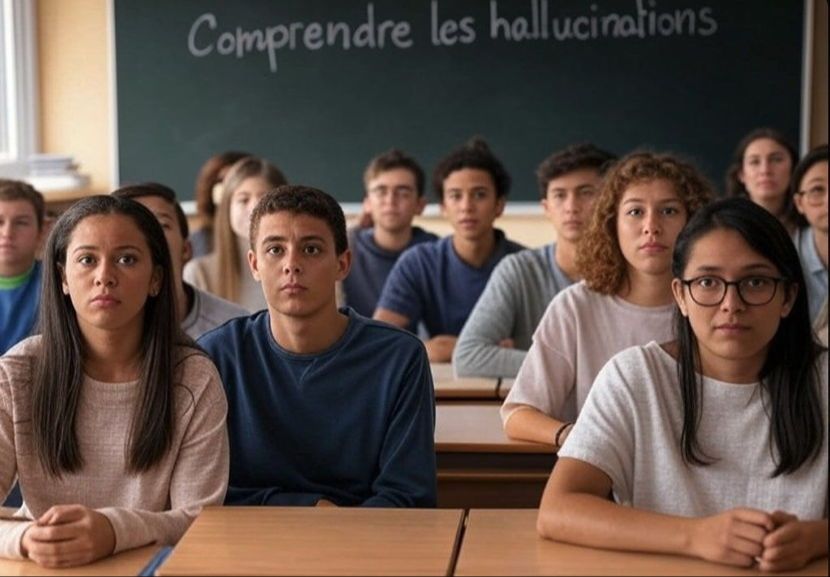
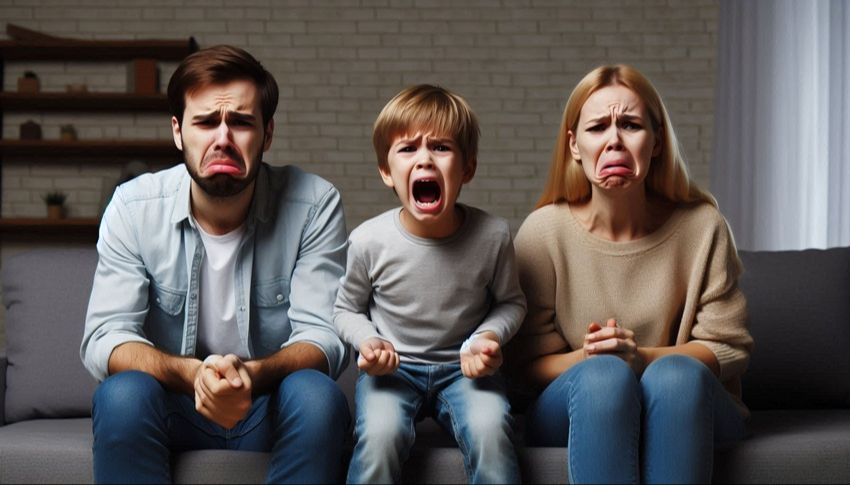
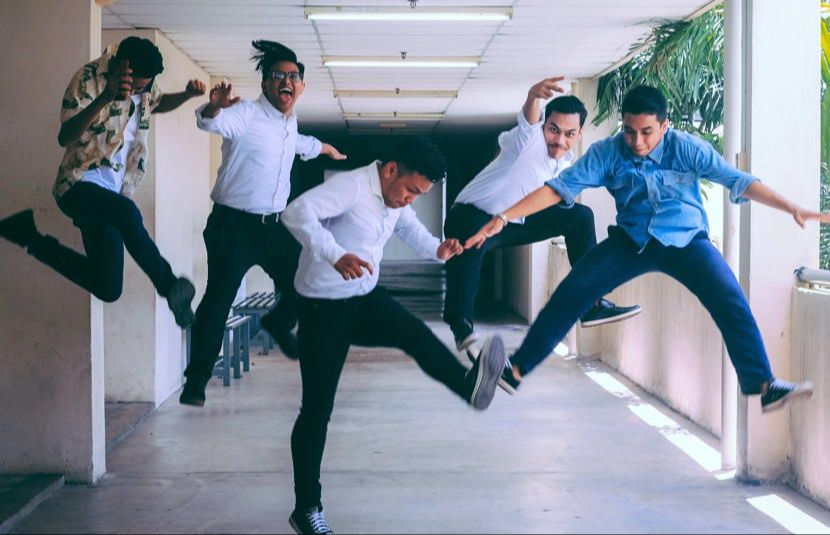
It's easy to adopt a particular attitude towards certain people, environments or situations. At school, the attitude of teachers has a great influence on their students. Their attitude - welcoming, cold, diplomatic, friendly, haughty, frank, cautious, intimidating, restrained, benevolent, open, etc. - affects the quality of their relationships. The choice of each is based as much on their experience as on the demands of the environment or the moment. In return, the attitude of a group of students can also exert appreciable pressure.
Many psychological theories are based on behavior and attitudes. Even management methods incorporate them into their principles. Yet a person is normally capable of changing them almost at will, unless he or she is stuck in a fixed attitude, which will limit him or her to those environments and occasions where that attitude is appropriate. But what happens when AI gets involved? This takes us outside known sociological parameters, and young people are currently the first to pay the price.
A whole microcosm of attitudes and behaviors is built up at work, in the classroom, at home and on special occasions. Holidays such as "Mardi Gras" are historically a time for letting off steam, as are sporting events when normally repressed behavior is tolerated. Every attitude elicits a response from others; sometimes changing just one changes the whole mood.
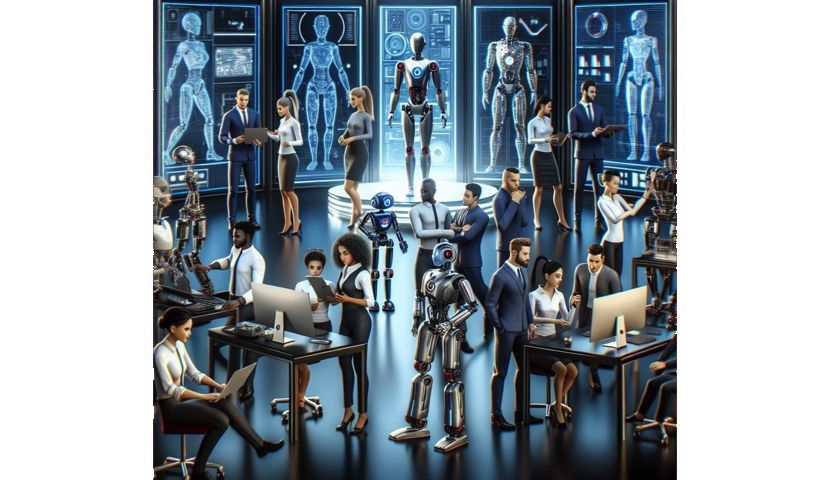
A.I., robots and technology are changing our attitudes. Disconnected, it's amazing how some of them come back into their own, starting with those affecting interpersonal communications. This issue tackles a number of issues surrounding the effects of technology on our attitudes and behavior. Many of them are not insignificant.
Enjoy your reading
Denys Lamontagne - [email protected]
Illustration: Anil sharma - Pixabay