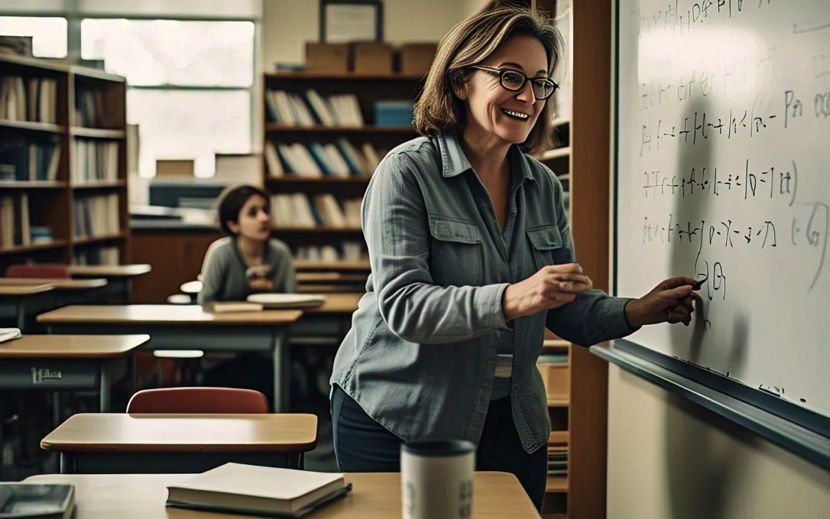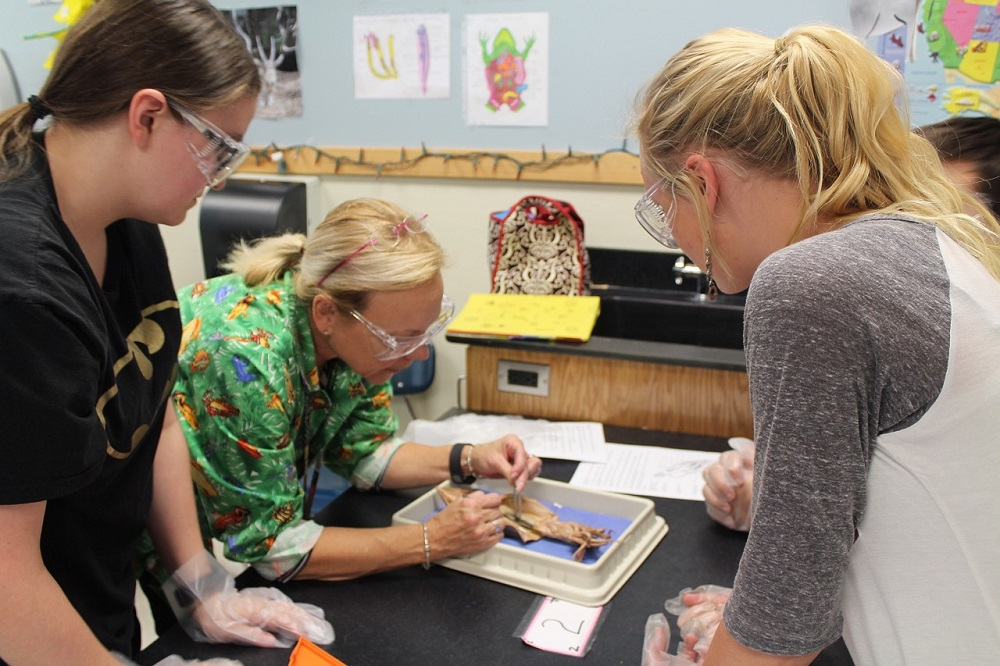
Not all schools are keen on practice; conclusive demonstrations are generally enough for them, and they often defer practice for "later", because in principle, what is taught is what has been proven; this does not prevent them from recognizing the value of exercises, internships and real-life situations. Practice, when offered, enables students to confirm both their level of understanding and the validity of the content. Practising then allows them to improve.
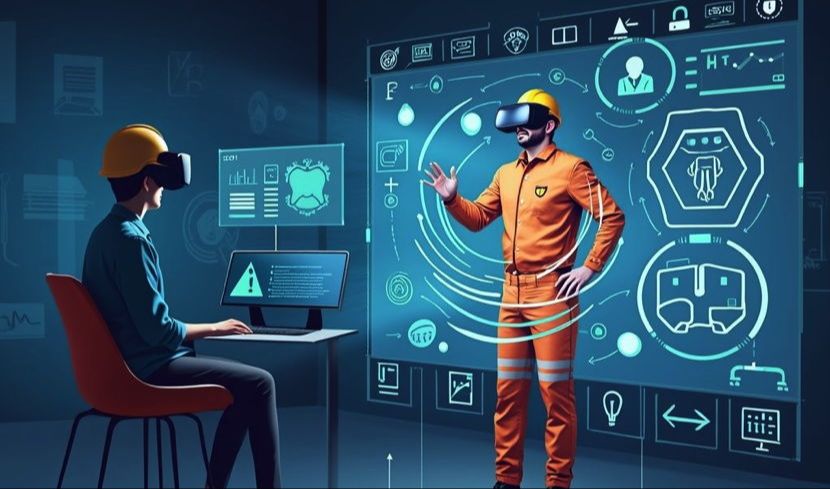
How do you put it into practice? By simulating, by applying, by gradually increasing complexity, by familiarizing, by being coached, by increasing difficulty, by sharing experiences, etc., to finally arrive at an assured, quasi-professional application. Before a performance, professionals practice, visualize and prepare themselves, and when the time comes, they're ready. Indoor or mobile training programs offer a form of practice. Simulations, especially A.I.-assisted ones, are becoming increasingly effective. It's not so much the visual realism of VR (virtual reality) that's most important, but that which leads to engagement. You don't need to see everything in 3D; if the coherence of the situation and interactions is respected, you'll almost believe you're there.
The natural way to learn starts with experimentation and observation, followed by adjustments, then reflection and the development of theory based on the data acquired through experimentation. The school proceeds differently, as it first teaches methodologies and techniques such as writing, reading, arithmetic or critical thinking, which are in themselves practices to be mastered in the same way as walking or speaking. Secondly, it generally approaches subjects from the theoretical side, as the sum of knowledge developed over centuries of experimentation exceeds local experimental capacities. This in no way detracts from the advantages of early exposure to practical applications, as students particularly appreciate practical experience; it increases their motivation and accelerates their learning.
In adult education, it is often observed that people with professional experience learn better and faster than those without, because they can relate the various concepts to their practice in a coherent way. Lifelong learning, on the other hand, is more about looking at practice and building on it to advance and develop new skills and knowledge. Practice is the bridge between theory and competence.
Denys Lamontagne - [email protected]
Illustration: Ria Kartika - Pixabay