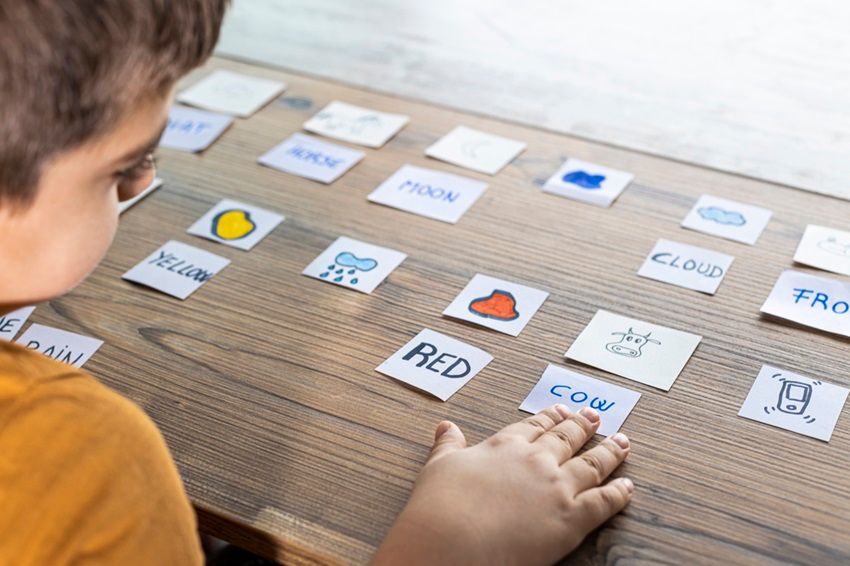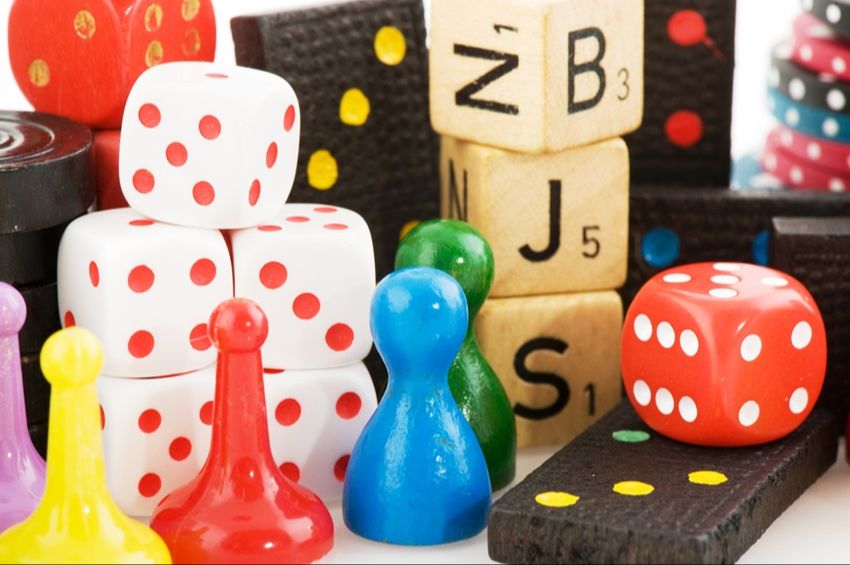
Learning and playing seem far apart. One requires rigor, while the other is associated with frivolity. Yet play is in itself educational. Anyone who has watched an animal documentary will have seen how little ones playfully imitate their parents' gestures to learn the basics of their future survival. Our games are also an introduction to our world. Monopoly introduced us to economic principles, and Destins prepared us psychologically for the path of life, with studies, family and so on. As we grew older, we realized that these games were simplifications of reality.
It's interesting to note how the relationship to play changes with schooling. For toddlers, using playful solutions is a must. But as they progress through school, establishments become a little more cautious. Would we lose credibility by offering entertaining teaching methods? Fortunately, educational researchers have rehabilitated games to remind teachers of their benefits, from primary school to university. Even video games, which are often perceived as mind-numbing, promote certain skills in learners. It's all a question of dosage, so as not to sink into these addictive virtual worlds.
It's easier to engage and motivate students through play. An escapist game has far more appeal than an essay, because it takes them out of their comfort zone and places them in exciting scenarios that stimulate their imagination. However, the success of edutainment is not based on fun alone. There's nothing dramatic about making mistakes in a game, unlike in a school assessment. On the contrary, a committed player will make mistakes, and it will be possible to make up for them during the game. In the worst-case scenario, he or she will lose and can learn from the mistakes made in order to recover by starting another game.
With these advantages in mind, we've seen the educational world transform and adopt playful solutions. Any excuse is a good one to inculcate knowledge through playful mechanics, whether through invented or adapted board games, puzzles and sudokus or the hijacking of mass-market video games. Games can be applied to all school subjects, both for acquiring knowledge and for reviewing it.
With the end-of-year festive season upon us, it's a good time to remember that playing games can bring not only pleasure, but also a range of skills that are useful both in everyday life and at school.
Happy reading and happy holidays!
Alexandre Roberge - [email protected]
Photo : ivonnewierink / DepositPhotos