Education is often part of the political discourse, as it is at school that future citizens are formed. Political parties are particularly sensitive to the direction taken by educational institutions.
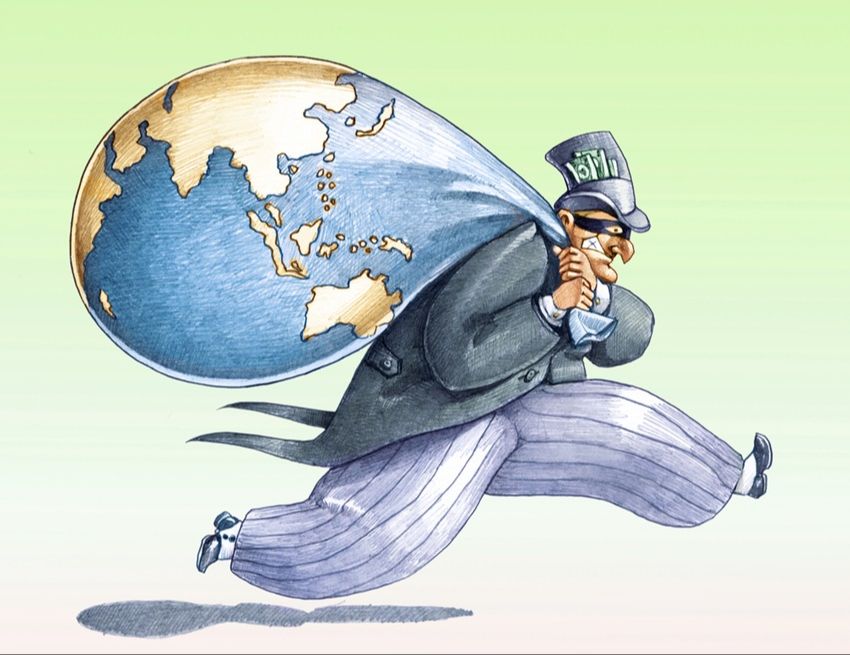
The principles guiding political parties are different from those guiding voters. For a party, the priority is to come to power and, once there, to stay there. If the party has principles, it will try to convince voters with a realistic program and objectives, supported by competent candidates. If it doesn't have many, it will use other means to tip the balance in its favor: manipulation, propaganda, intimidation, corruption, falsification and so on. If it has none, it will use force. The parties, in their quest for simplification, try to make people believe that they will solve employment, economic, security or management problems by means of investments, taxes (more or less) or legislation.
But whatever the party or program, it's the effects of the proposals on the economy that will determine their medium-term success. Free everything and grandiose projects are electorally pleasing, but rarely sustainable in practice. This economic logic has long since rubbed off on the vocabulary and objectives of public education: we train citizens to contribute to the system on which political power depends.
Moving from a culture of productivity and competitiveness to one of developing a viable environment implies a profound change in political discourse and in the priorities put forward in schools and universities. Between the advantages of industrial uniformity and the diversity required for local adaptations, between the standardization of optimized management and the specific requirements of each situation, between an insensitive A.I. and the coherence of the interactions of the living world of which we are a part, it's not a question of choosing sides but of finding the best uses for each situation, in a spirit of fairness... Complexity has little resistance to the simplifications of populist discourse in the mind, but populist discourse has even less resistance to the complexity of reality in the facts. Competence is our best defense.
We've never had so many resources, knowledge and means in the history of mankind, but we seem to have trouble using them to do anything other than "a little more of the same". Let's take advantage of the fact that education develops citizens' critical thinking skills before it's considered subversive to question a policy or activity.
We all play politics in our lives.
Denys Lamontagne - [email protected]
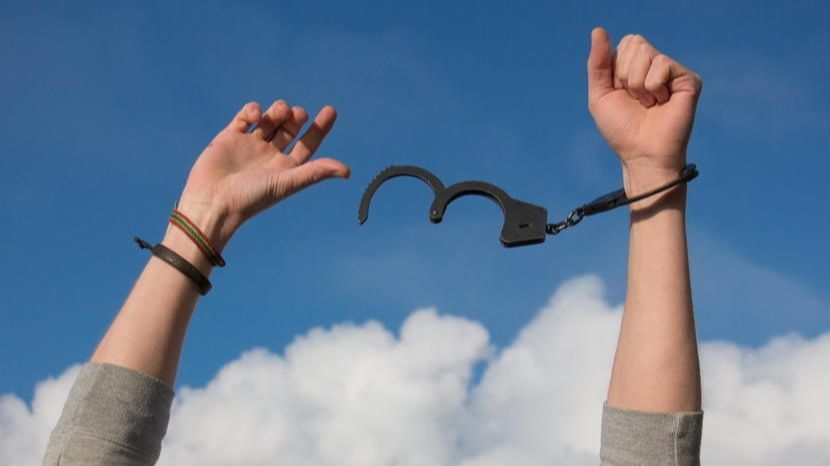
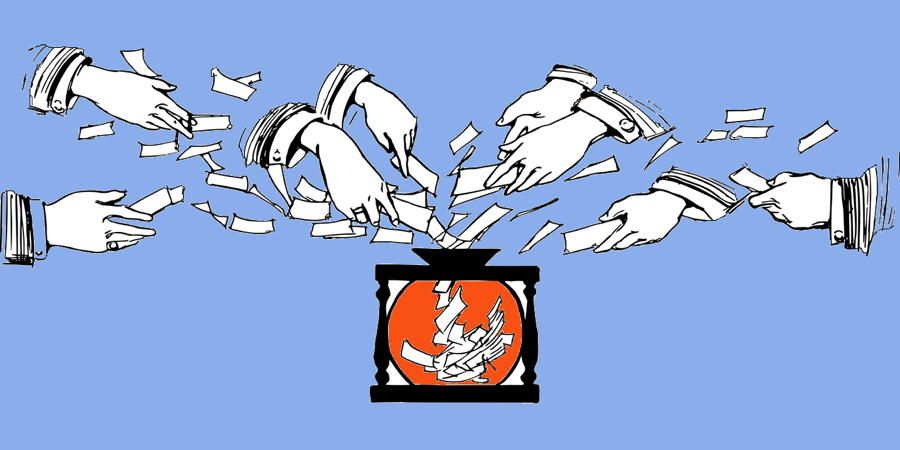
Illustration: Gordon Johnson - Pixabay